Child Resistant (CRC) Caps in Pakistan (2026 Safety & Compliance Guide)
In pharmaceutical and chemical packaging, safety is not a claim — it is a responsibility. And in many cases, that responsibility starts with a child resistant cap.
Across Pakistan’s pharmaceutical, healthcare, and household chemical sectors, child resistant (CRC) caps in Pakistan have quietly become one of the most important packaging safeguards. They are not designed to attract attention. They exist to prevent accidents, reduce liability, and protect lives — especially in homes where medicines and chemicals are easily accessible.
As awareness around child safety continues to grow in 2026, manufacturers can no longer treat CRC closures as a niche feature. For many products, they are now a baseline expectation from regulators, distributors, and increasingly, from consumers themselves.
Yet despite their importance, CRC caps are still misunderstood, poorly selected, or treated as interchangeable components. In reality, a child resistant closure must balance two very different needs: it must be difficult for a child to open, yet practical and frustration-free for adults.
What Are Child Resistant (CRC) Caps?
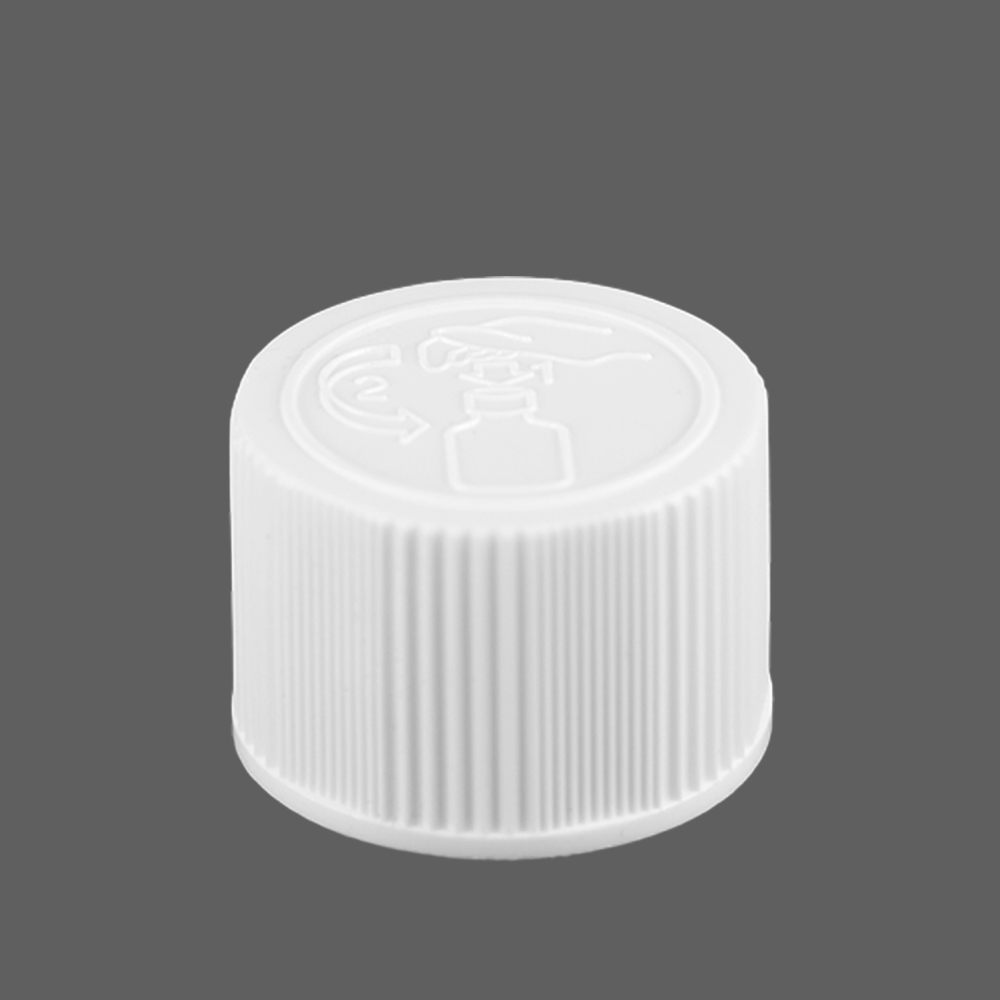
Child resistant caps are specially designed closures that require a coordinated action to open — such as push-and-turn, squeeze-and-turn, or align-and-twist mechanisms. These actions are intentionally difficult for young children to perform, while remaining manageable for adults.
CRC caps do not make a product “child-proof” in the absolute sense. Instead, they significantly reduce the likelihood of accidental opening by children, which is often enough to prevent serious incidents.
In Pakistan, CRC closures are most commonly associated with pharmaceutical products, but their use is steadily expanding into household chemicals, automotive fluids, and specialty consumer goods.
Why CRC Caps Matter More Than Ever in Pakistan
In many Pakistani households, medicines and cleaning products are stored within easy reach. Combined with rising self-medication trends and multi-generational living arrangements, this creates real safety risks.
Child resistant packaging addresses these risks at the most basic level — by controlling access.
- Accident prevention: Reduces the risk of unintended ingestion.
- Brand responsibility: Demonstrates care beyond regulatory minimums.
- Legal risk reduction: Helps mitigate liability in case of misuse.
- Market readiness: Aligns products with global packaging expectations.
As Pakistan’s pharmaceutical exports and regulated manufacturing increase, CRC caps are also becoming a key part of international compliance conversations.
Common Products That Use Child Resistant Caps
Pharmaceutical Syrups and Liquid Medicines
Cough syrups, pain relievers, and pediatric medicines often contain ingredients that can be harmful if consumed in large quantities. CRC caps add a critical safety barrier without affecting dosing accuracy.
Tablet and Capsule Bottles
Solid dosage containers frequently rely on push-and-turn CRC designs to limit unsupervised access.
Household and Industrial Chemicals
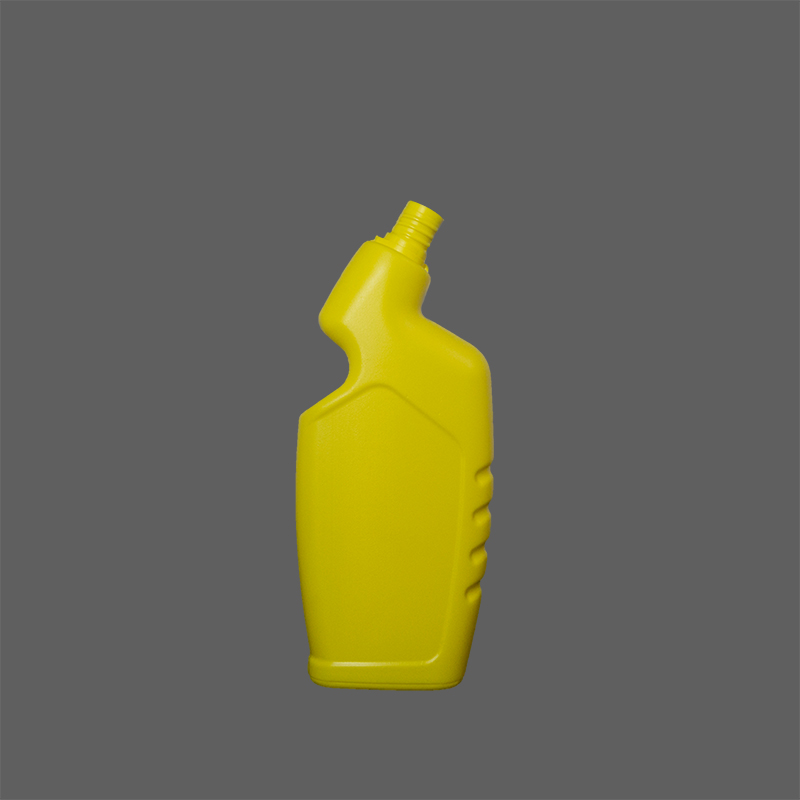
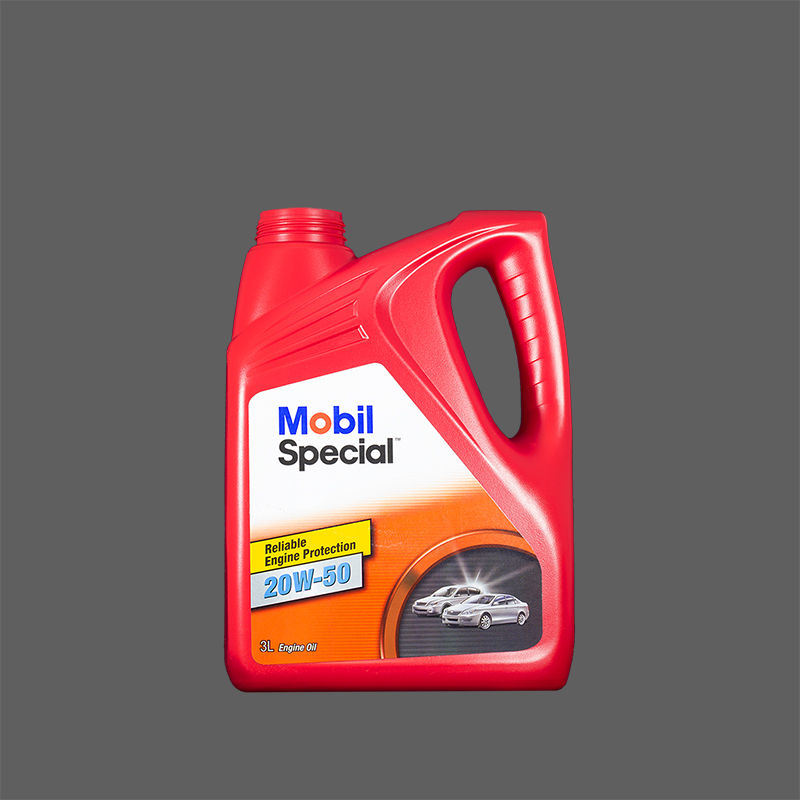
Cleaning agents, solvents, and automotive fluids increasingly use CRC closures to reduce accidental exposure.
Nutraceuticals and Supplements
As supplement consumption rises, brands are adopting CRC caps to align with pharmaceutical-grade safety standards.
How Child Resistant Caps Actually Work
CRC caps rely on mechanical complexity rather than force alone. This is what differentiates them from standard screw caps.
Common mechanisms include:
- Push-and-turn: Requires downward pressure while rotating.
- Squeeze-and-turn: Requires pressure at specific points.
- Alignment-based opening: Requires visual and mechanical coordination.
These designs exploit the fact that young children typically lack the grip strength, coordination, or cognitive understanding to perform multiple actions simultaneously.
CRC Caps vs Standard and Tamper-Evident Caps
It is important to understand that child resistant caps serve a different purpose than tamper-evident or pilfer-proof closures.
- Standard caps: Focus on sealing only.
- Tamper-evident caps: Indicate prior opening.
- CRC caps: Control access after purchase.
In many pharmaceutical applications, CRC caps are combined with tamper-evident features to provide layered protection — first against interference, then against misuse.
This layered approach is often discussed within broader caps and closures systems rather than as isolated components.
Design and Manufacturing Challenges with CRC Caps
Producing reliable child resistant caps is more complex than manufacturing standard closures. Small inconsistencies can compromise safety or usability.
Torque Consistency
CRC caps must open smoothly for adults without becoming loose during transport.
Material Selection
Most CRC closures use high-quality polypropylene to balance rigidity and flexibility.
Dimensional Precision
Internal locking features must align perfectly with bottle neck finishes.
User Experience Balance
Caps that are too difficult to open can frustrate elderly or arthritic users — a common real-world concern.
This is why experienced manufacturers treat CRC closures as engineered products, not commodity items.
CRC Caps Manufacturing in Pakistan
Local manufacturing of child resistant caps in Pakistan has expanded in recent years, offering pharmaceutical companies greater flexibility and control.
Local sourcing allows:
- Better alignment with bottle specifications
- Faster lead times and design iterations
- Consistent supply for regulated production
- Customization by size, color, and safety mechanism
Manufacturers that already work with integrated caps and closures manufacturing partners often find CRC adoption far smoother than those sourcing components separately.
CRC Caps as Part of a Responsible Packaging Strategy
In 2026, packaging decisions are increasingly viewed through a responsibility lens. CRC caps signal that a brand has thought beyond aesthetics and cost.
They communicate care — for patients, families, and communities.
As safety expectations rise, CRC closures are becoming less about compliance and more about credibility.
Related Packaging Topics You May Find Useful
- Caps and Closures in Pakistan
- Pilfer Proof vs Child Resistant Closures
- High-Security Packaging Closures
Final Thoughts
Child resistant caps are not just packaging components. They are a safeguard built into everyday products — often unnoticed, yet critically important.
For pharmaceutical and chemical manufacturers in Pakistan, CRC caps represent a clear commitment to safety, responsibility, and long-term trust.
If you are planning to integrate or upgrade child resistant (CRC) caps in Pakistan, work with Mediplas to develop closure solutions that balance safety, usability, and manufacturing reliability.