A Better Pack Begins Long Before Production Starts
Custom Packaging Begins with a Clearer Brief
The quality of an early packaging discussion often depends on the quality of the information available.
A pharmaceutical company does not need to arrive with a final engineering drawing, but it should be able to explain the role the component is expected to perform. This helps distinguish between a requirement that may be fulfilled by an existing product and one that may need a new design or mould.
A useful initial brief may include:
- The pharmaceutical product or formulation category
- The required bottle or container capacity
- The preferred dispensing method
- The type of closure being considered
- Any child-resistant or tamper-evident requirement
- The intended filling and packing process
- Expected production or purchasing volumes
- Decoration, printing or marking requirements
- The proposed product-launch timeline
- Existing packaging samples, drawings or photographs
This information does not lock the project into a final solution. It gives the manufacturer enough context to ask better questions and identify practical development routes.
Should the Project Use an Existing Component or a Custom Design?
Custom development is not automatically the best answer for every project.
An existing pharmaceutical bottle, cap or dosing accessory may already meet the functional and commercial requirements. Where that is the case, using an established format may reduce unnecessary development work and allow the project to move forward more efficiently.
A custom route becomes more relevant when the requirement involves:
- A bottle capacity or shape that is not available in a suitable standard format
- A closure that must work with a specific neck or opening system
- A dosing component designed around a particular volume range
- A plastic component that must integrate with another device or pack
- A distinctive product presentation
- A technical feature that existing components cannot provide
- Production quantities that support the investment in dedicated tooling
Mediplas supports both established packaging formats and custom plastic injection moulding in Pakistan. An early conversation can help buyers understand which route deserves more detailed evaluation.
Customisation creates value when it solves a genuine product, production or user requirement—not simply when it makes a component look different.
Considering the Bottle, Closure and Accessory as One Pack
Pharmaceutical packaging components may be manufactured separately, but they are used together.
A bottle must work with its selected closure. A dosing cup or cap should suit the way the product is administered. Printing or dosage marks must remain clear and practical on the chosen component surface.
Evaluating these items in isolation can create avoidable problems later. A bottle shape may be visually acceptable but unsuitable for the proposed closure. A measuring component may provide the correct nominal capacity but still need changes to its graduation layout or handling characteristics.
Where possible, the development conversation should consider:
- Bottle and closure compatibility
- Container capacity and fill expectations
- Opening, closing and repeated-use requirements
- Dosing or dispensing needs
- Decoration and identification areas
- Assembly and packing arrangements
- Transportation and handling considerations
Pharmaceutical teams can explore Mediplas’ wider capabilities through its resources on pharmaceutical packaging in Pakistan and pharmaceutical primary packaging.
Where Mould Development Fits into the Process
When an existing component cannot satisfy the brief, a new mould may be required.
Mould development is a significant stage because it turns the approved component concept into a repeatable manufacturing tool. Decisions made before tooling can affect component dimensions, manufacturability, consistency and the commercial viability of the project.
Before moving towards mould development, buyers and manufacturers may need to clarify:
- The component’s intended function
- Key dimensions and tolerances
- Material considerations
- How the component will be manufactured
- Required production output
- Compatibility with related parts
- Surface, branding or marking requirements
- How samples will be evaluated
Mediplas provides information on injection mould design in Pakistan, mould-making capabilities and moulds for plastic products for companies exploring this stage of development.
The Pak Pharma Expo meeting can serve as an introduction to the requirement. Detailed tooling decisions should follow only after the relevant technical information has been reviewed.
Pharmaceutical Bottles and Containers
A pharmaceutical bottle must be evaluated in relation to its intended application rather than appearance alone.
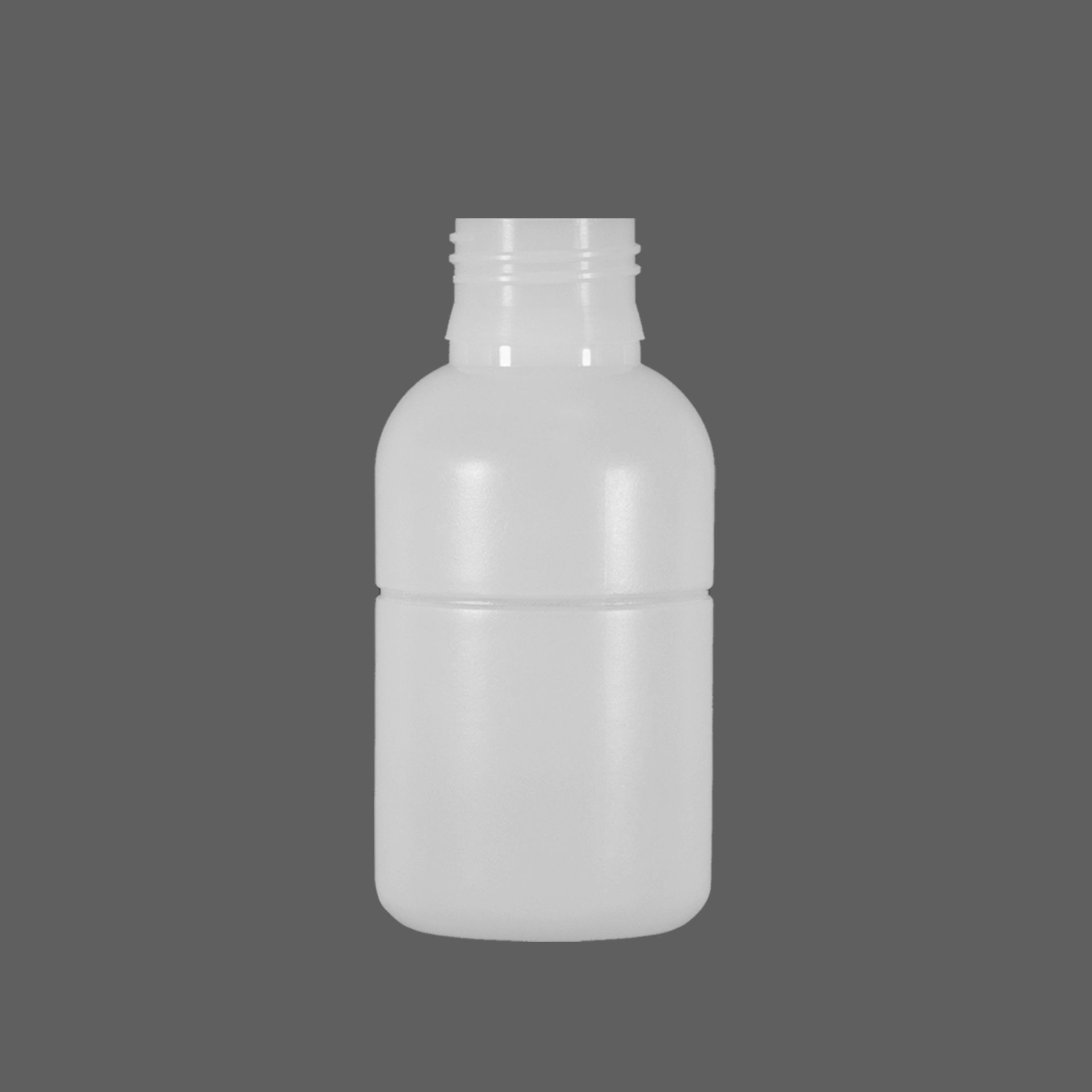
Capacity, material, neck finish, closure compatibility, filling process and handling can all affect the suitability of a bottle format. A custom profile may also need to balance brand presentation with practical manufacturing considerations.
Companies developing liquid pharmaceutical products can review Mediplas’ guide to syrup bottles manufactured in Pakistan. Broader bottle requirements can also be discussed with the team during the Islamabad exhibition.
Bringing an existing bottle or a reference pack can help the discussion focus on the exact features that need to be retained, improved or reconsidered.
Closures, Tamper Evidence and Child Resistance
Closures influence product access, handling and the way users experience the complete pack.
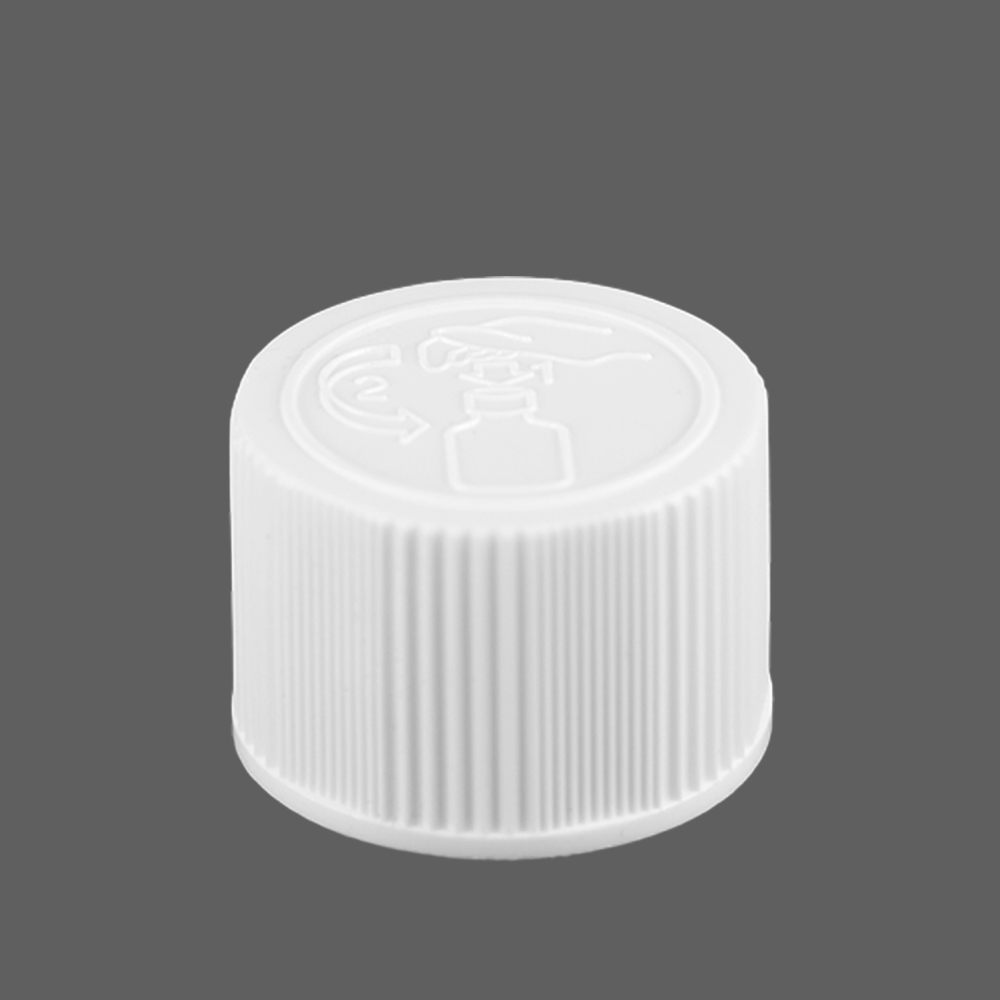
Depending on the application, a pharmaceutical company may need to explore standard screw caps, pilfer-proof formats, visible tamper evidence or child-resistant opening mechanisms.
These requirements should be considered alongside the bottle neck and intended user group. A closure cannot be selected responsibly based on its external appearance alone.
Visitors preparing for the exhibition can read more about:
- Child-resistant caps in Pakistan
- Tamper-evident caps
- Pilfer-proof pharmaceutical caps
- Caps and closures for plastic packaging
At Hall 2, Stall E-19, the Mediplas team can discuss the buyer’s intended pack and identify which closure-related information should be reviewed after the event.
Dosing Components Need Their Own Development Attention
Measuring cups, dosing caps, spoons and droppers may be physically smaller than the primary container, but their role is central to product use.
A dosing component may need to support a particular volume range, display clear graduations and fit into the wider packaging arrangement. Its shape, marking and handling should be considered before production quantities are confirmed.
Buyers can discuss requirements involving:
- Measuring cups with defined graduation ranges
- Dosing caps that integrate with the bottle format
- Plastic spoons for specific measured quantities
- Droppers for controlled dispensing
- Printed or moulded dosage identification
- Custom dosing components
Mediplas’ guide to pharmaceutical dosing caps and measuring cups provides additional context for teams preparing a product-development discussion.
Printing and Marking Should Be Planned Early
Decoration is sometimes considered only after the component has been selected, but early planning can prevent avoidable limitations.
The component material, surface shape, print area and required information can influence which marking or decoration process is most suitable.
Depending on the packaging format, companies may wish to explore:
- UV printing on plastic packaging
- Silk screen printing on plastic
- Pad printing for plastic components
- Laser engraving in Pakistan
The appropriate method should be evaluated according to the component, design, surface and production requirement. No single decoration technique is automatically suitable for every pharmaceutical pack.
Samples and Evaluation Before Full Production
A component concept should not move directly from an early discussion into full-scale production without appropriate review.
Depending on the project, the evaluation process may involve dimensional review, component fit, appearance assessment, compatibility discussions and other product-specific checks determined by the pharmaceutical company.
The manufacturer and buyer should agree on what information or samples are needed and who is responsible for each stage of evaluation.
Pharmaceutical businesses must also conduct their own technical, quality and regulatory assessment before approving packaging for a particular product or market.
Mediplas can support the manufacturing discussion, but product suitability should always be confirmed against the pharmaceutical company’s specific requirements.
Commercial Volume Matters in Custom Development
Custom tooling and component development involve commercial as well as technical considerations.
Expected volumes can influence whether a new mould is economically appropriate, which production approach should be explored and how the project should be planned.
Buyers do not always need an exact long-term forecast at the first meeting. However, an approximate quantity range can help the manufacturer understand the scale of the opportunity and avoid recommending a development route that does not suit the project.
Useful commercial information may include:
- Estimated annual demand
- Expected order quantities
- Number of product variants
- Colour or decoration variations
- Target launch period
- Whether the component is for an existing or new product
These details can be refined after the exhibition as the project progresses.
What to Bring to Hall 2, Stall E-19
A productive exhibition conversation does not require a large presentation. A few relevant materials are usually more valuable than a broad collection of information.
Consider bringing:
- An existing bottle, cap or dosing component
- A reference product or competitor-style format
- Basic dimensional information
- A sketch, drawing or product photograph
- The intended capacity
- An approximate volume forecast
- A description of the current packaging problem
- Your contact details for technical follow-up
Where sensitive information is involved, visitors can begin with a general discussion and determine what should be shared later through the appropriate commercial process.
What Happens After the Initial Conversation?
The exhibition meeting should lead to a clearer next step rather than an immediate promise.
Follow-up may involve:
- Sharing the detailed packaging brief
- Reviewing existing samples or technical drawings
- Clarifying component dimensions and function
- Assessing available standard products
- Determining whether custom mould development is required
- Discussing sample and evaluation expectations
- Confirming quantities and commercial requirements
- Preparing a technical or commercial proposal
Not every project will follow exactly the same sequence. The purpose of the initial meeting is to identify the most appropriate path for the specific requirement.
Frequently Asked Questions
Does every custom pharmaceutical packaging project require a new mould?
No. An existing component may already meet the functional and commercial requirements. A new mould is generally considered when suitable standard options are unavailable or the project requires a genuinely different component.
What information is needed to discuss custom pharmaceutical packaging?
Useful information includes the product application, required capacity, closure or dispensing needs, reference samples, expected quantities, decoration requirements and target timeline.
Can buyers discuss bottle, closure and dosing components together?
Yes. Reviewing related components as part of one pack can help identify compatibility, handling and presentation considerations earlier in the project.
Can Mediplas manufacture custom plastic pharmaceutical components?
Mediplas supports custom plastic injection moulding, mould development and related manufacturing services. Project feasibility depends on the component brief, technical requirements and expected commercial volumes.
Where can pharmaceutical companies meet Mediplas at Pak Pharma Expo 2026?
Mediplas Innovations will exhibit in Hall 2, Stall E-19 at Tulip Marquee, Islamabad, on 12–13 August 2026.
Bring the Brief. Begin the Right Development Conversation.
A successful packaging project depends on asking the right questions before tooling and production begin.
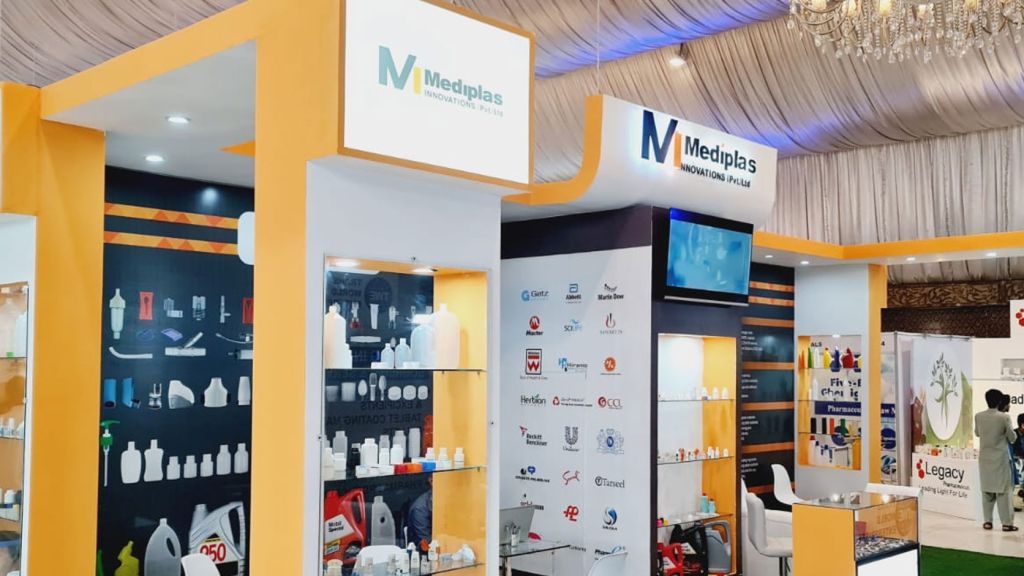
Pharmaceutical companies considering a new bottle, closure, dosing accessory or custom plastic component can use the Islamabad exhibition to introduce their requirement and understand which information will be needed next.
Meet Mediplas Innovations at the 20th Pak Pharma & Healthcare Expo 2026 in Hall 2, Stall E-19. Bring an existing sample, an early concept or a packaging problem worth discussing.
Start Your Pharmaceutical Packaging Discussion with Mediplas
Visit Mediplas at Tulip Marquee, Islamabad, on 12–13 August 2026 to discuss bottles, closures, dosing components, mould development and custom pharmaceutical packaging requirements.