Measuring Cups & Dosing Caps for Pharmaceutical Packaging in Pakistan (2026 Guide)
In liquid medicines, accuracy is everything — and often, the most important tool is not the bottle, but the small dosing component that comes with it.
In Pakistan’s pharmaceutical market, conversations around packaging usually focus on bottles, caps, or labels. Yet one component quietly influences patient safety more than most others: measuring cups and dosing caps.
Whether it’s a cough syrup, pediatric medicine, or liquid supplement, the dosing accessory determines how much medicine a patient actually consumes. A poorly designed cup, unclear markings, or inconsistent volume can lead to underdosing, overdosing, and loss of trust — even when the formulation itself is perfect.
As pharmaceutical quality expectations rise in 2026, measuring cups and dosing caps for pharmaceutical packaging in Pakistan are no longer treated as optional add-ons. They are now viewed as essential safety components of primary packaging.
Why Measuring Cups and Dosing Caps Matter
Liquid medicines rely on user-administered dosing. Unlike tablets or capsules, the responsibility for accuracy shifts partly to the patient or caregiver.
This makes dosing accessories a critical point of control.
- Dosing accuracy: Correct volume ensures therapeutic effectiveness.
- Patient safety: Reduces risk of accidental overdose.
- Caregiver confidence: Clear markings simplify administration.
- Regulatory alignment: Supports labeling and dosage instructions.
In practical terms, a reliable dosing cup or cap protects both the patient and the pharmaceutical brand.
Common Types of Dosing Accessories Used in Pakistan
Measuring Cups
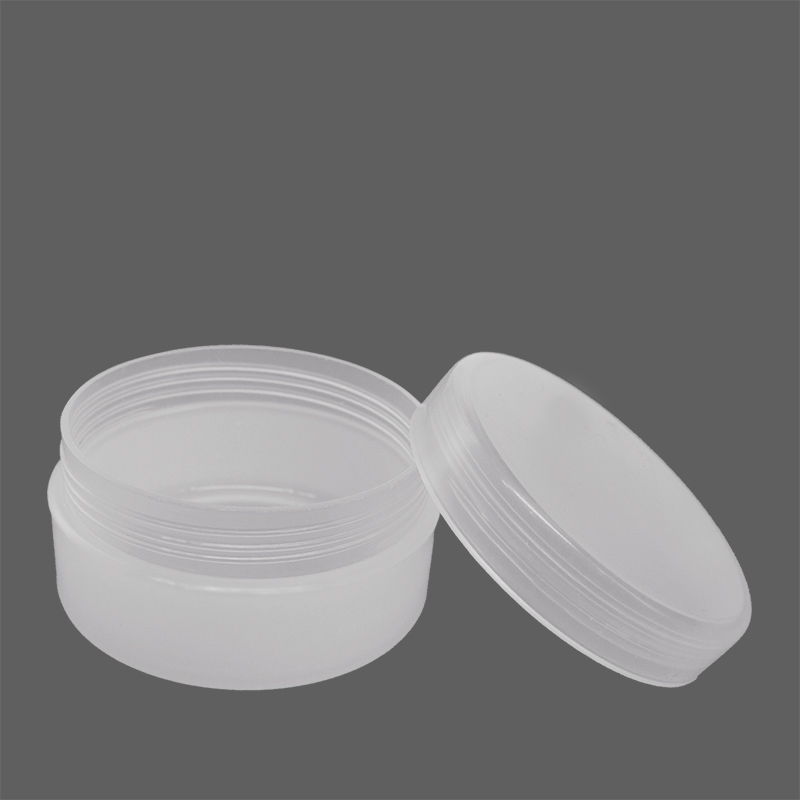
Measuring cups are the most widely used dosing accessories for syrups and liquid medicines. They are typically designed with graduated markings to support multiple dosage levels.
In Pakistan, common capacities include 5 ml, 10 ml, 15 ml, and 20 ml — often combined into a single cup.
Dosing Caps
Dosing caps serve a dual purpose: they act as a closure and as a measuring device. These caps are particularly useful where space efficiency and convenience matter.
Dosing caps are commonly paired with pediatric and OTC medicines.
Oral Dosing Cups with Integrated Seals
Some pharmaceutical applications use cups that sit securely on the bottle neck, reducing spill risk during pouring.
Materials Used for Measuring Cups and Dosing Caps
Material choice directly affects clarity, durability, and chemical compatibility.
Polypropylene (PP)
PP is the most commonly used material for pharmaceutical dosing accessories. It offers excellent chemical resistance, durability, and ease of molding.
Transparent Medical-Grade Plastics
Transparency is important for accurate reading of volume markings. High-quality transparent materials ensure visibility without compromising safety.
Material consistency is especially important when accessories are produced in large volumes for regulated pharmaceutical use.
Design Factors That Influence Dosing Accuracy
Not all measuring cups are equal. Small design decisions can significantly impact usability.
- Clear graduation markings: Easy-to-read scales reduce dosing errors.
- Stable base: Prevents tipping during filling.
- Smooth pouring edge: Minimizes spillage.
- Ergonomic grip: Supports elderly and pediatric caregivers.
For dosing caps, internal volume calibration must remain consistent across production batches.
Dosing Accessories and Child Safety
In households with children, dosing accessories must be designed carefully to avoid misuse.
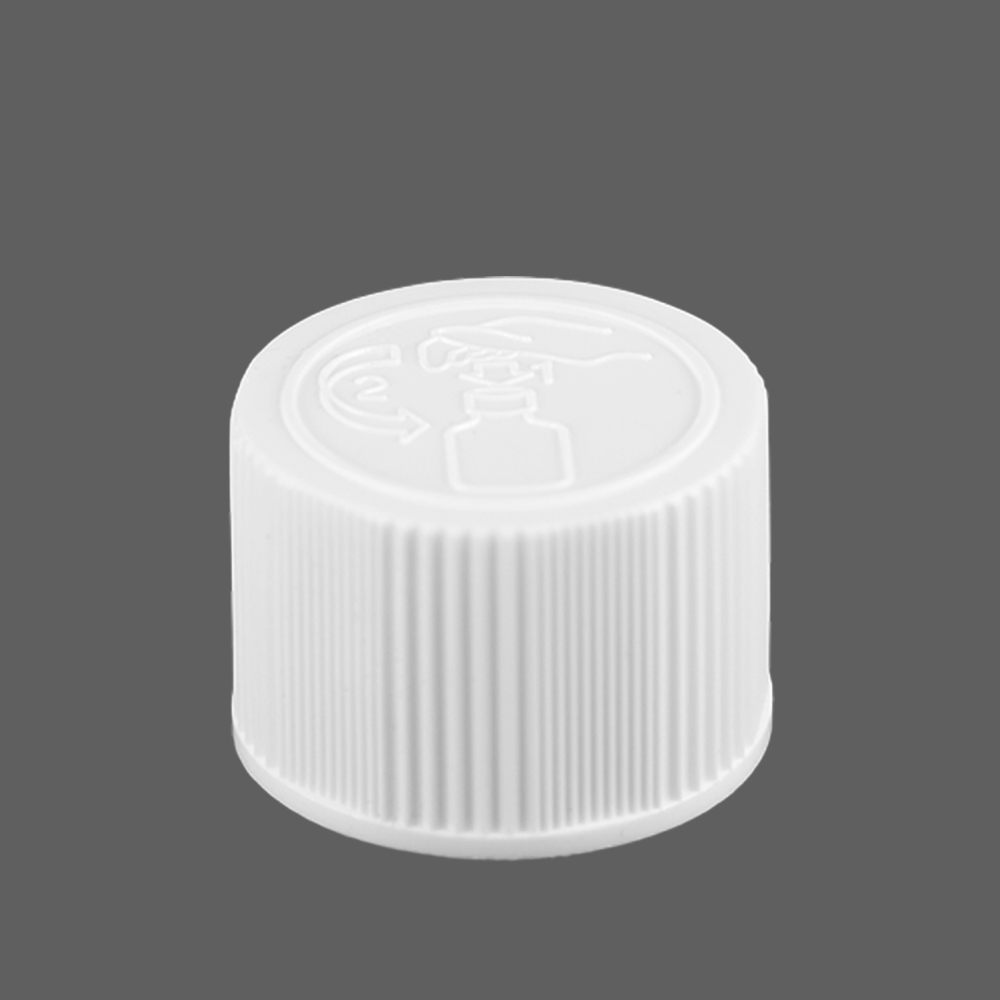
Many pharmaceutical brands pair measuring cups and dosing caps with child resistant (CRC) caps to limit unsupervised access while still allowing controlled dosing.
This layered approach — combining safe access with accurate dosing — reflects a more responsible packaging strategy.
Manufacturing Precision and Quality Control
Pharmaceutical dosing accessories demand tight dimensional control. Even slight volume variations can have serious implications.
Reliable manufacturers focus on:
- Precision injection molding
- Consistent cavity calibration
- Routine volume verification
- Clean, flash-free molding
This is why experienced suppliers treat dosing components as engineered products, not commodity plastics.
Integration with Bottles and Closures
Measuring cups and dosing caps must integrate seamlessly with the rest of the packaging system.
They are often supplied alongside:
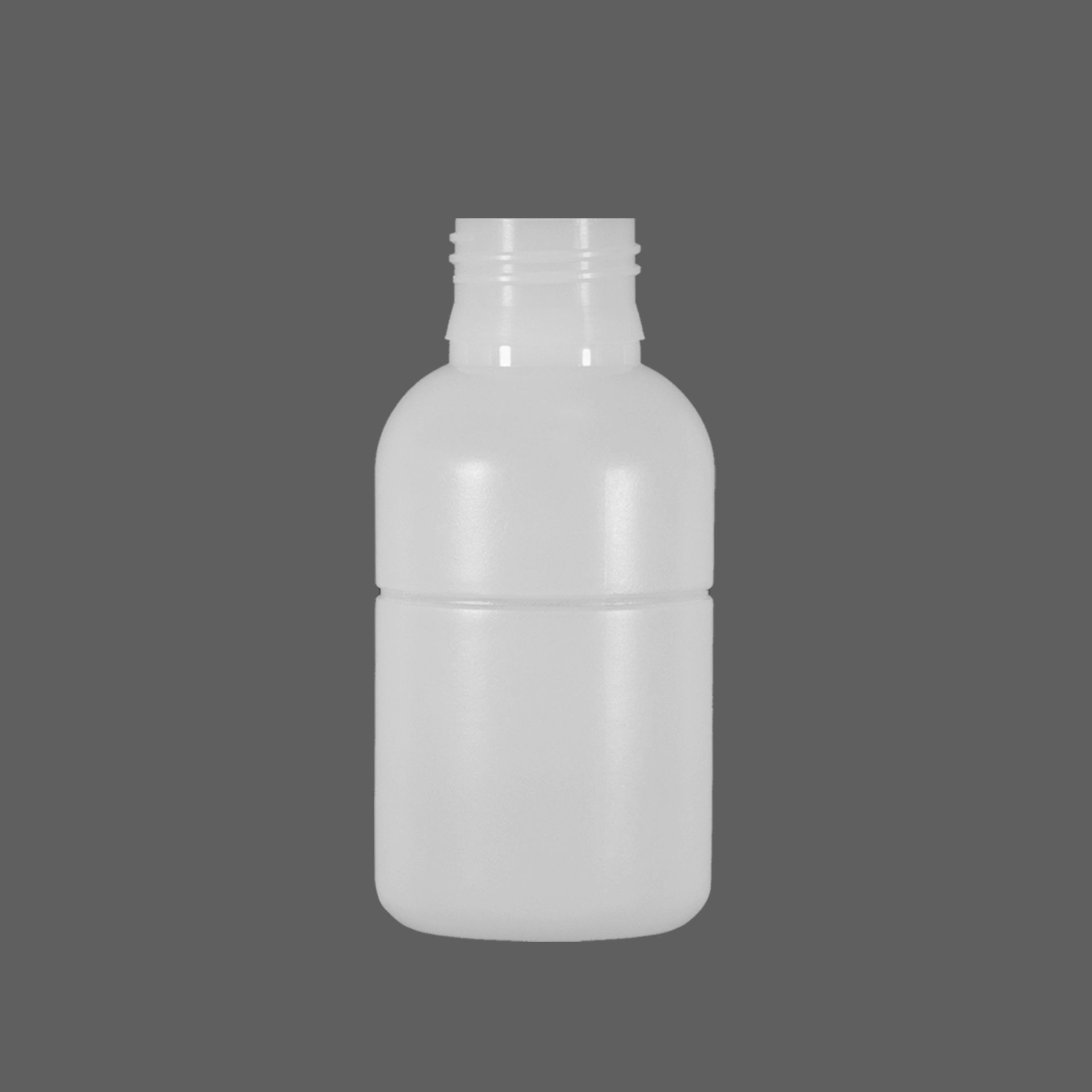
- HDPE syrup bottles
- Tamper-evident or pilfer-proof caps
- Child resistant closures
When sourced together as part of a coordinated caps and closures and bottle system, compatibility issues are significantly reduced.
Use Across Pharmaceutical Categories
- Pediatric syrups and suspensions
- Cough and cold medicines
- Nutritional supplements
- OTC liquid formulations
Each category places different demands on dosing clarity, safety, and durability.
Related Pharmaceutical Packaging Resources
- Pharmaceutical Packaging in Pakistan
- Caps and Closures for Pharmaceutical Packaging
- Pilfer Proof Caps for Liquid Medicines
Final Thoughts
In liquid medicine packaging, accuracy is not achieved by formulation alone. It depends on how reliably the medicine is measured and administered.
Well-designed measuring cups and dosing caps protect patients, support caregivers, and strengthen pharmaceutical credibility.
If you are sourcing reliable measuring cups and dosing caps for pharmaceutical packaging in Pakistan, partner with Mediplas for precision-engineered dosing solutions built for safety, clarity, and consistency.