Pharmaceutical Dropper Manufacturer Pakistan: Plastic Droppers, Dosing Components & Custom Development
A pharmaceutical dropper is a small packaging component, but small dimensional or fit problems can create large packaging headaches.
The dropper must work with the intended bottle and closure system, suit the product’s dosing requirement, assemble consistently and remain practical on the customer’s filling and packing line.
For companies evaluating a Pharmaceutical Dropper Manufacturer Pakistan project, the best starting point is therefore not simply asking, “What droppers do you have?”
A stronger question is:
What dosing component does our product need, and how must it work with the rest of the packaging system?
Think of the Dropper as Part of the Complete Pack
A dropper should not be selected independently from the bottle and closure.
The complete packaging arrangement may involve:
- the pharmaceutical bottle
- dropper or dispensing component
- closure
- neck finish
- liner or sealing arrangement where required
- and final secondary packaging.
If one component is selected without checking the others, problems may only become visible during filling or final assembly.
Begin With the Intended Dosing Requirement
Different products may require very different dispensing behaviour.
Before discussing moulds or materials, the pharmaceutical buyer should clarify:
- how the product will be dispensed
- the intended nominal capacity
- whether graduated markings are required
- whether the dropper is removable or integrated into another component
- how the user will handle it
- and how it will be packed with the bottle.
The dropper should then be developed around the approved pharmaceutical packaging specification.
Dropper Capacity Should Match the Product Requirement
A larger dropper is not automatically better.
Its usable capacity and geometry should reflect the intended dosing approach.
If markings are required, their placement and readability should be reviewed during development.
The pharmaceutical company remains responsible for confirming that the complete dosing arrangement meets its product, validation and regulatory requirements.
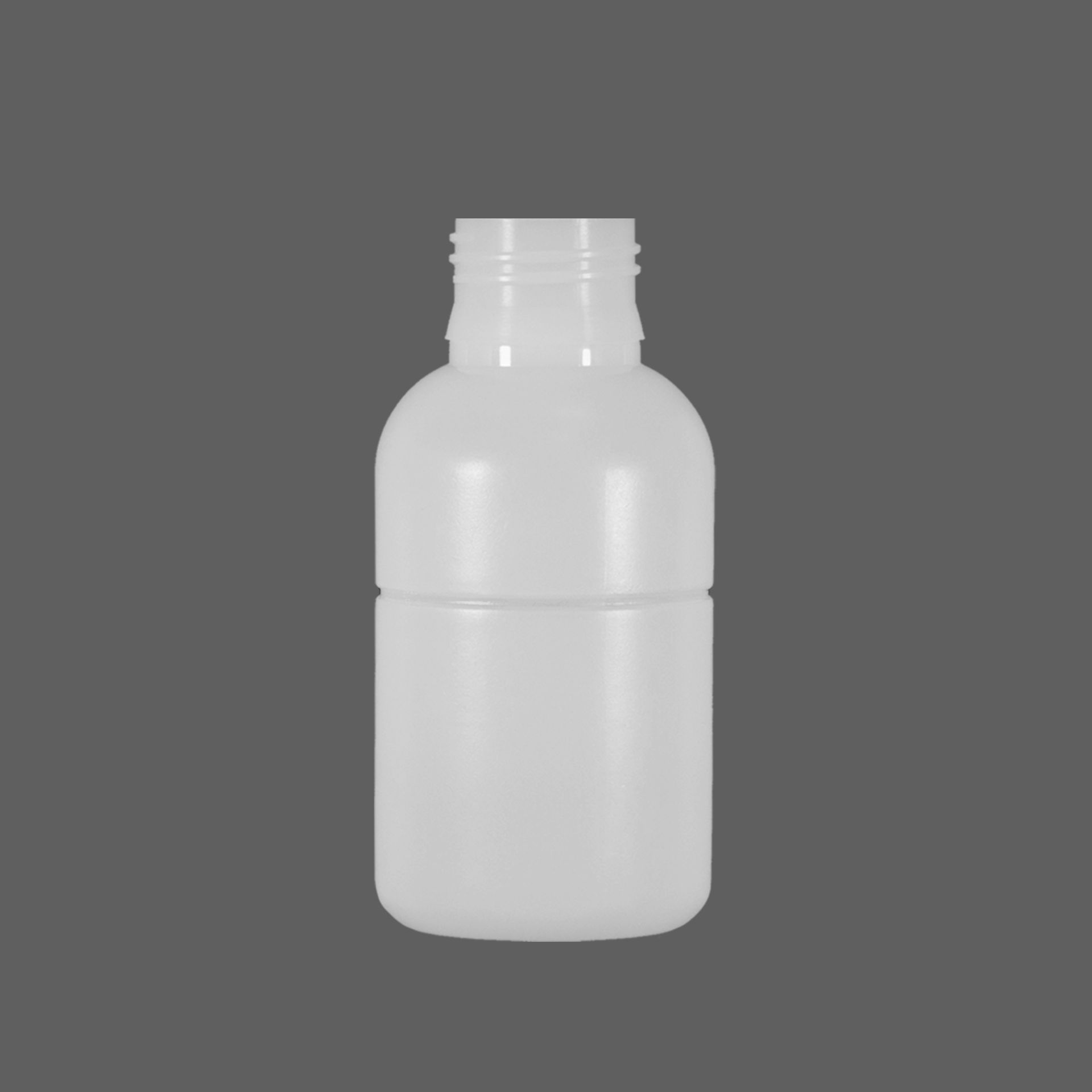
Bottle Compatibility Is a Core Procurement Question
The same dropper cannot simply be assumed to fit every bottle.
Compatibility can depend on:
- bottle neck diameter
- neck geometry
- closure system
- internal fit
- component length
- and how the packaging is assembled.
If a buyer already has a bottle, providing a physical sample or accurate drawing can make the development process more efficient.
The Closure and Dropper Need to Work Together
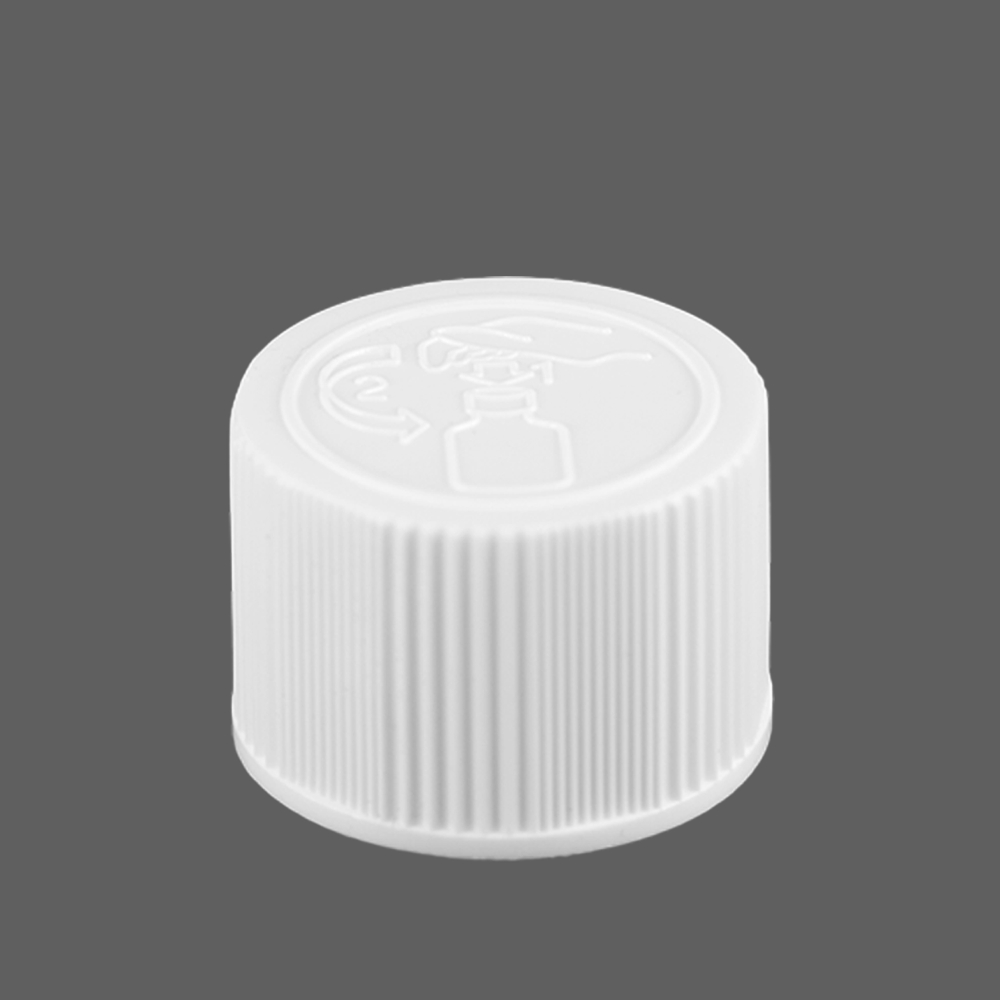
Depending on the package format, the closure may retain, protect or interact with the dropper component.
The project should therefore evaluate the bottle, dropper and cap together rather than approving them as three unrelated purchases.
Mediplas’ existing caps and closures resource provides additional context for closure selection.
Material Selection Should Follow the Formulation and Component Design
Plastic materials offer different levels of flexibility, stiffness and moulding behaviour.
The selected material should therefore suit:
- the approved component design
- the intended product-contact requirement
- the dispensing action
- manufacturing method
- and the pharmaceutical company’s specification.
A material should never be chosen solely because it is the cheapest option available.
Flexible and Rigid Components Need Different Design Thinking
Some dropper designs rely on flexible parts, while others may incorporate more rigid moulded elements.
This affects:
- wall thickness
- material choice
- mould design
- assembly
- and how the component behaves during repeated use.
Custom Development Starts With Drawings or Samples
If an existing standard dropper does not fit the project, a custom component may need to be evaluated.
Useful information includes:
- reference sample
- technical drawing
- target capacity
- overall length
- interface dimensions
- material requirement
- colour
- marking requirement
- and expected production quantity.
Mould Design Determines Repeatable Geometry
Once the design is approved, the production mould must reproduce the same component consistently.
Mould engineering should consider:
- part geometry
- material flow
- ejection
- cavity quantity
- critical sealing or fitting surfaces
- and projected production volume.
Sampling Should Happen Before Commercial Production
A sample allows the buyer to check the component with the actual intended bottle and closure.
The evaluation can consider:
- fit
- assembly
- dimensional accuracy
- appearance
- markings where used
- and practical handling.
Do Not Approve a Dropper Without the Bottle
This sounds simple, but it is one of the most important procurement habits.
Evaluating a dropper by itself cannot confirm how it will behave in the finished package.
Where possible, testing should use the intended:
Bottle + Dropper + Closure + Filling/Assembly Arrangement
Graduated Markings Need Their Own Review
If the component includes graduations, the markings should be treated as a controlled part of the design.
The pharmaceutical buyer should establish:
- required units
- marking positions
- visibility
- and how the markings will be produced.
Any dosing claim should be validated as part of the customer’s complete product and packaging programme.
Printing or Marking May Be Part of the Component Project
Depending on the component design, the project may evaluate suitable marking or printing methods.
Decoration should be discussed early because part geometry, plastic material, required durability and production quantity can affect which method is practical.
Dropper Consistency Matters in Large Production Runs
A sample can be approved successfully while routine production still creates problems if process consistency is weak.
Production controls should focus on repeatability in areas such as:
- dimensions
- part weight
- surface condition
- flash
- deformation
- and interface fit.
Assembly Workflow Should Be Considered Before Final Design
The pharmaceutical company should clarify whether the dropper will be:
- manually placed
- automatically assembled
- packed separately
- or supplied as part of another packaging assembly.
That choice may affect dimensions, handling and packaging.
Bulk Packaging Should Protect Component Shape
Small plastic components can deform, scratch or become difficult to handle if bulk packing is poorly planned.
The packing method should therefore consider:
- component geometry
- transport
- storage
- and how the customer’s production team will unpack and use the parts.
Standard Dropper or Custom Tool?
A standard component can be commercially attractive when it fits the buyer’s bottle and product requirement.
A custom mould becomes more relevant when the project needs:
- a specific dimension
- unique capacity
- different bottle fit
- brand-specific geometry
- or production quantities that justify dedicated tooling.
Consider the Complete Packaging Development Cost
Unit price is only one element.
The pharmaceutical buyer should also consider:
- mould investment
- sample development
- component assembly
- printing or marking
- packaging
- rejection risk
- and long-term repeat production.
What Should a Pharmaceutical Dropper RFQ Include?
- Product/application type
- Required dropper format
- Nominal capacity
- Reference sample or drawing
- Bottle sample or bottle neck specification
- Closure information
- Material specification if already defined
- Graduation/marking requirements
- Colour requirements
- Assembly method
- Required samples
- Monthly or annual quantity
- Existing tooling information if applicable
- Custom mould requirement if needed
How Pharmaceutical Dosing Components Fit Into Primary Packaging
Droppers sit alongside bottles, caps, dosing cups and other components that together form the primary packaging system.
For a broader view of this system, buyers can review Mediplas’ pharmaceutical primary packaging in Pakistan guide.
Projects involving measuring components can also reference pharmaceutical dosing caps and measuring components.
Frequently Asked Questions
Can pharmaceutical droppers be customised?
Custom development may be possible where the buyer provides the required dimensions, bottle interface, capacity, material and projected quantities for technical review.
Should the dropper and bottle be ordered from the same manufacturer?
They do not necessarily have to come from one supplier, but their physical compatibility should be confirmed together before commercial production.
Can a dropper include graduated markings?
Depending on component design and project requirements, markings may be considered. Their final use and dosing accuracy should be validated by the pharmaceutical company.
Why should bottle neck dimensions be provided?
The bottle interface affects how the dropper, closure and complete pack fit together.
When does a custom mould make sense?
Custom tooling becomes more relevant when an available standard component cannot meet the required dimensions, function or production programme.
Discuss Your Pharmaceutical Dropper Project With Mediplas
Begin with the bottle, dosing requirement, closure and expected production quantity. From there, the project can determine whether an existing component or custom-developed dropper deserves further evaluation.
A good pharmaceutical dropper is not an isolated accessory. It is a precisely matched part of the complete bottle-and-dosing system.