Stretch Blow Molding Pakistan: PET Bottle Manufacturing, Mould Design & Production Planning
A PET bottle is the visible result of several engineering decisions made before commercial production begins.
Bottle shape, capacity, preform selection, neck finish, material distribution, mould design, stretching conditions, blowing pressure, cooling and production speed all contribute to the finished package.
For brands evaluating Stretch Blow Molding Pakistan, the strongest development process begins with the bottle’s intended use rather than simply selecting an existing mould because its capacity looks close enough.
A well-planned bottle should fit the product, closure, filling line, decoration and distribution requirement while remaining practical to manufacture repeatedly.
What Is Stretch Blow Molding?
Stretch blow molding is a manufacturing process commonly used for suitable PET bottle applications.
A preform is heated to an appropriate condition, mechanically stretched and expanded inside a bottle mould using air pressure.
The final mould defines the external shape of the bottle while the process conditions influence how material is distributed through the container.
Why PET Is Closely Associated With Stretch Blow Molding
PET can provide useful characteristics for selected packaging applications, including:
- clarity
- low container weight
- good visual presentation
- mouldability
- and suitability for many rigid bottle formats.
However, PET should be selected according to the actual product and packaging requirement rather than appearance alone.
Start With the Product and Fill Requirement
Before discussing the stretch blow mould, clarify:
- what product will be filled
- required fill volume
- filling conditions
- desired bottle appearance
- closure type
- label or decoration method
- transport conditions
- and expected production quantity.
The Preform Is Not Just a Smaller Bottle
The preform contains the plastic material that will eventually be distributed throughout the finished container.
Its design and weight influence:
- available material
- bottle wall distribution
- neck finish
- finished bottle weight
- and compatibility with the blowing process.
A new bottle should therefore be evaluated together with the proposed preform rather than treating the preform as an unrelated consumable.
Preform Weight Should Match Bottle Performance
Using more plastic does not automatically produce the best bottle.
Using too little material can also create weakness or inconsistent wall distribution.
The appropriate preform weight should be established through design, process trials and actual packaging requirements.
Neck Finish Usually Comes From the Preform
The neck is already formed before the main stretch-blow operation.
This makes preform and closure compatibility particularly important.
Buyers should define:
- neck diameter
- thread specification
- closure
- sealing arrangement
- and filling-line requirements.
Bottle Design Should Consider Material Distribution
A visually attractive shape can become difficult to manufacture if the geometry causes poor material distribution.
Areas requiring attention may include:
- shoulders
- corners
- deep panels
- base geometry
- transition zones
- and narrow sections.
Design for manufacturing should therefore begin before mould fabrication.
The Stretch Ratio Matters
The preform is stretched both axially and radially during bottle formation.
These relationships influence how material reaches the final mould surface.
Process development needs to balance the preform, final bottle geometry and heating profile rather than assuming that any preform can form any bottle.
Heating Must Be Controlled
The preform needs a suitable temperature profile before blowing.
Uneven heating can contribute to:
- uneven wall distribution
- poor bottle formation
- visual defects
- or weak areas.
Stable production therefore requires consistent heating conditions as well as a good mould.
Stretching and Blowing Work Together
During production, the preform is stretched and expanded inside the mould.
Process parameters need to be developed around the bottle rather than copied blindly from another format.
A technically good mould cannot compensate indefinitely for unsuitable process settings.
Mould Design Determines the Final External Shape
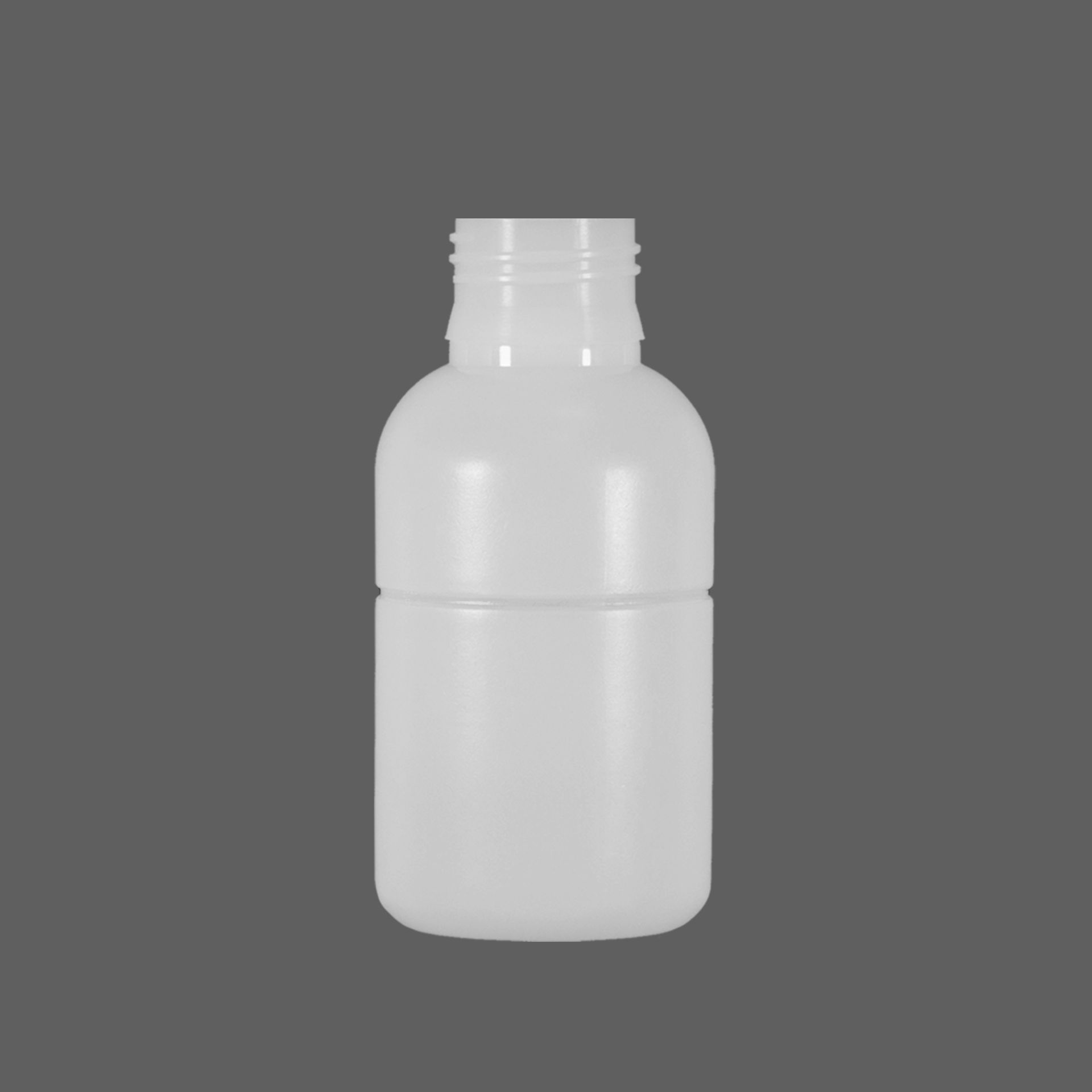
A custom PET bottle mould should translate the approved packaging design into a geometry that can be produced consistently.
Important considerations may include:
- bottle capacity
- overall dimensions
- shoulder design
- base structure
- label panel
- surface finish
- cooling
- and cavity quantity.
Base Design Needs Particular Attention
The bottle base influences stability and can affect how the container behaves during filling, conveying and storage.
A visually distinctive base should still support practical manufacturing and handling.
Label Panel Design Should Match the Branding Method
If the bottle will use a pressure-sensitive label, sleeve or direct printing, the surface needs to accommodate that decoration method.
Curvature, ribs and sharp transitions can make some decoration techniques more difficult.
Custom Bottle Design Should Include Carton and Transport Planning
A bottle is not transported individually.
Its diameter and shape influence:
- units per carton
- carton dimensions
- pallet efficiency
- warehouse storage
- and transport utilisation.
A distinctive bottle that wastes significant shipping space can create an avoidable ongoing cost.
Lightweighting Should Be Based on Performance
Reducing bottle weight can reduce material consumption, but it should not compromise the requirements of the finished pack.
Lightweighting trials should consider:
- rigidity
- top load
- side-wall feel
- base stability
- filling-line behaviour
- and normal distribution.
Clear PET Makes Visual Defects More Noticeable
Where transparency is part of the packaging design, appearance can become a major quality factor.
Buyers may need to monitor:
- clarity
- surface marks
- colour consistency
- material distribution
- and bottle deformation.
Colour PET Projects Need Consistent Appearance
Where colour is part of the design, the approved visual target should be documented before mass production.
Repeat batches should aim to maintain a consistent presentation.
PET Bottle and Closure Should Still Be Treated as One System
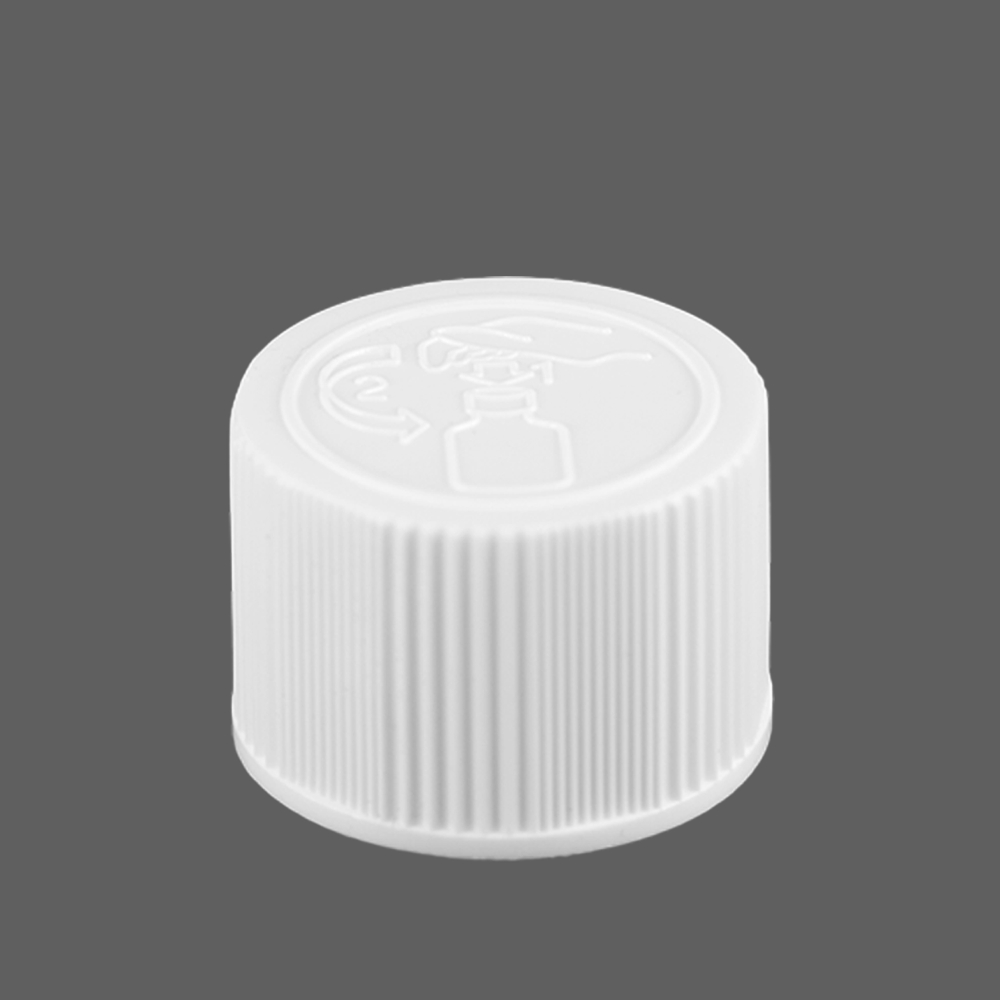
Even a perfectly formed PET bottle can create packaging problems if the cap does not match the neck.
Evaluate:
Preform Neck + Finished Bottle + Closure + Seal + Filling/Closing Equipment
Standard Mould or Custom Bottle?
An existing bottle can reduce development time and mould investment.
Custom development becomes more relevant where the brand requires:
- unique capacity
- distinctive geometry
- specific label area
- brand differentiation
- or dimensions not available from standard packaging.
Prototype Evaluation Should Come Before Full Production
Development bottles should be checked with the actual intended:
- product
- closure
- filling equipment
- label
- carton
- and transport arrangement.
Production Speed Should Not Override Bottle Quality
Increasing cycle output is commercially useful only while the bottle remains within approved performance and appearance requirements.
Process optimisation should balance productivity and repeatability.
Quality Checks for Stretch-Blown Bottles
Depending on the project, routine checks may include:
- bottle weight
- capacity
- dimensions
- appearance
- wall distribution
- base stability
- neck and closure compatibility
- and agreed packaging-performance checks.
What Should a Stretch Blow Bottle RFQ Include?
- Product/application
- Required bottle capacity
- Reference sample or CAD drawing
- PET/preform requirements if defined
- Target bottle weight
- Neck specification
- Closure information
- Required colour
- Label or printing method
- Filling-line requirements
- Monthly/annual quantity
- Custom mould requirement
- Expected carton configuration
- Required development samples
Stretch Blow Molding vs Other Bottle Processes
The correct manufacturing method depends on the packaging brief.
Stretch blow molding should not be selected simply because the bottle is plastic.
Buyers can also review Mediplas’ existing PET bottle manufacturing and plastic mould resources when planning new packaging.
Frequently Asked Questions
Is stretch blow molding mainly used for PET bottles?
It is strongly associated with suitable PET bottle applications, although the exact process and material specification depend on the project.
Why is the preform important?
The preform provides the material, neck finish and starting geometry from which the final bottle is formed.
Can an existing preform be used for a new bottle?
Potentially, if its neck, material, weight and stretch characteristics suit the proposed bottle. This should be confirmed during technical development.
Can custom PET bottle moulds be produced?
Yes. Custom tooling may be developed from an approved bottle design subject to technical and commercial feasibility.
Should a bottle be lightweighted as much as possible?
No. Material reduction should be balanced against bottle strength, appearance, filling-line behaviour and distribution performance.
Discuss Your Stretch Blow Molding Project With Mediplas
Share the required capacity, bottle design, neck, closure, PET requirements and production volume to begin evaluating the appropriate preform and moulding approach.
A successful PET bottle is not created by blowing a preform harder. It comes from matching the preform, bottle design, mould and process conditions to the packaging job the bottle actually needs to perform.