Tablet Bottle Manufacturer Pakistan: HDPE Containers, Closures & Pharmaceutical Packaging Selection
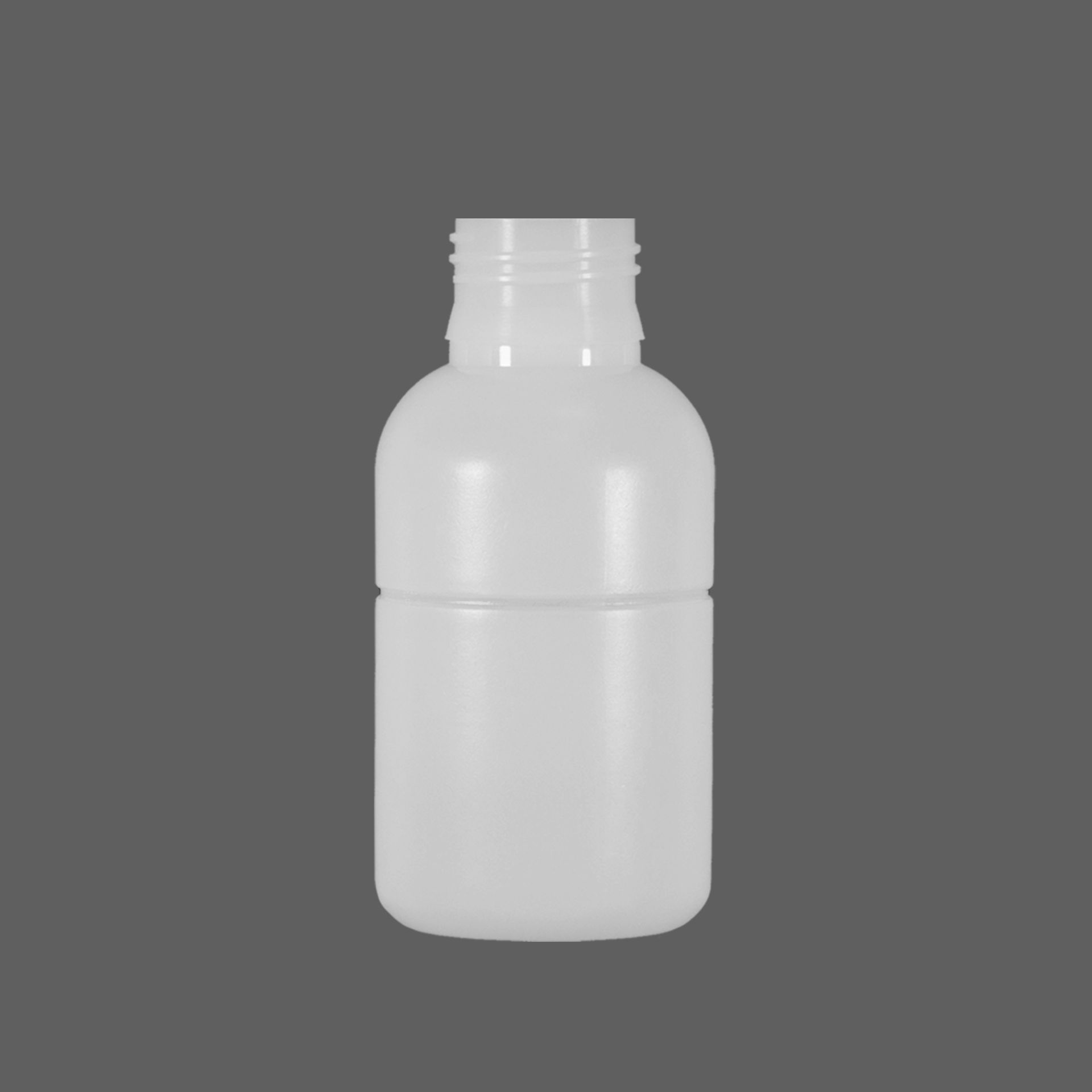
Choosing a bottle for tablets or capsules involves more than selecting a container that looks large enough to hold the required count.
Bottle capacity, neck finish, closure compatibility, material, sealing arrangement, filling-line requirements and expected production quantity all influence whether the packaging works reliably in commercial use.
For pharmaceutical companies evaluating a Tablet Bottle Manufacturer Pakistan, the most useful procurement process begins with the medicine and packing operation rather than with a bottle catalogue.
The aim should be to create a bottle-and-closure system that is practical to fill, close, transport, store and use while meeting the pharmaceutical company’s approved packaging specification.
Tablet and Capsule Bottles Are Primary Packaging
When tablets or capsules are packed directly inside a plastic container, that bottle forms part of the pharmaceutical primary packaging system.
That means decisions about the container should be considered together with:
- the formulation
- tablet or capsule count
- headspace
- closure
- liner or seal where required
- desiccant strategy where applicable
- label area
- filling line
- and distribution conditions.
Start With the Product Count and Physical Volume
A 30-count bottle and a 500-count bottle are very different packaging projects.
The required container size depends not only on tablet count but also on:
- tablet dimensions
- capsule dimensions
- product density
- required headspace
- packing method
- and any additional component placed inside the bottle.
A sample fill can be useful before committing to a new container format.
Nominal Bottle Capacity Does Not Tell the Whole Story
Two containers with similar external dimensions can offer different practical internal volumes.
Bottle shoulder design, wall geometry, base shape and neck configuration all influence usable space.
Pharmaceutical buyers should therefore evaluate the actual product inside the proposed bottle rather than relying only on an advertised container volume.
Why HDPE Is Commonly Considered for Tablet Bottles
HDPE is widely used for rigid pharmaceutical containers because it can provide a practical combination of strength, low weight and mouldability.
However, material selection should always be based on the pharmaceutical company’s formulation, stability programme, product-contact requirements and approved packaging specification.
Plastic selection should not be based on industry habit alone.
Other Plastic Materials May Suit Different Projects
Depending on the required appearance, manufacturing process and product specification, projects may also evaluate other suitable plastic materials.
The correct choice should consider:
- container strength
- product compatibility
- appearance
- barrier requirement
- closure system
- manufacturing process
- and commercial volume.
The Bottle Neck Is One of the Most Important Features
The neck finish creates the interface between the bottle and closure.
A mismatch here can lead to:
- poor cap engagement
- inconsistent torque
- sealing problems
- line difficulties
- or an unsatisfactory user experience.
Neck dimensions therefore need to be controlled consistently during production.
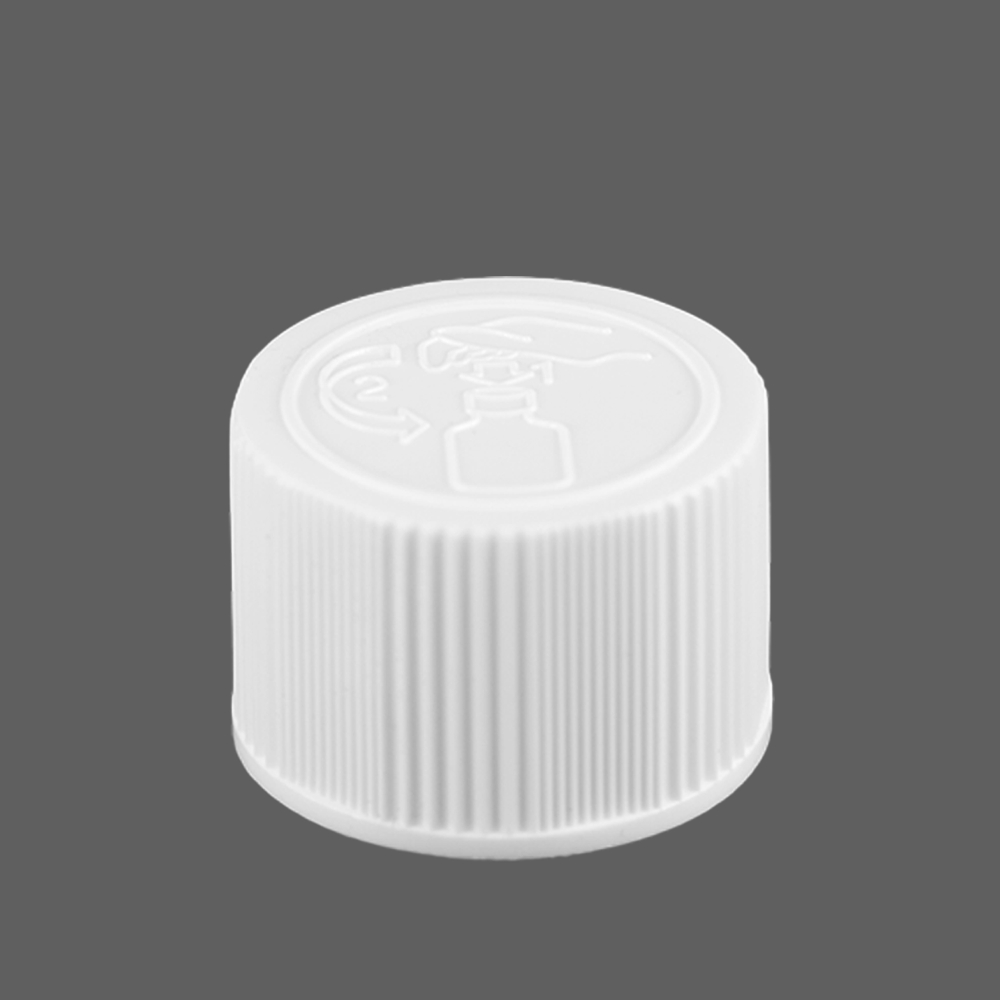
Choose the Closure Together With the Bottle
A tablet bottle should not be developed in isolation from its closure.
Potential closure requirements may include:
- standard screw closure
- tamper-evident features
- pilfer-proof features where appropriate
- child-resistant functionality where the product specification requires it
- and compatibility with a liner or sealing system.
The closure requirement should come from the approved pharmaceutical packaging brief.
Child-Resistant Packaging Should Be Project-Specific
Some pharmaceutical products may require a child-resistant closure system.
Where CRC packaging is specified, the bottle neck and closure need to be evaluated as a complete system.
Buyers can review Mediplas’ child-resistant caps in Pakistan resource for additional closure-planning information.
Tamper Evidence Is a Separate Packaging Consideration
Child resistance and tamper evidence are not the same feature.
A project may require one, both or another security arrangement based on the product’s approved packaging requirement.
Mediplas’ tamper-evident caps in Pakistan guide provides further context.
Induction Sealing or Wadding Should Be Evaluated With the Complete Pack
If the package uses an induction seal or liner, the bottle mouth, cap and selected sealing material all need to work together.
Buyers should confirm compatibility with their own filling and sealing equipment rather than assuming every liner works with every bottle.
Consider Moisture Management at the Packaging-Development Stage
Some tablet or capsule products can be sensitive to environmental conditions.
Where moisture management is part of the pharmaceutical company’s approved packaging strategy, the bottle, closure, liner and any desiccant arrangement should be evaluated together through appropriate product stability and packaging studies.
The plastic bottle manufacturer should manufacture the agreed component; product stability remains part of the pharmaceutical company’s validation programme.
The Filling Line Can Influence Bottle Geometry
A bottle that works well by hand may behave differently on automatic production equipment.
Useful questions include:
- Can the bottle feed reliably?
- Is the base stable?
- Can the filling equipment access the opening?
- Does the capper match the closure?
- Is induction sealing used?
- Can the labeler handle the bottle shape?
Wide-Mouth and Narrower-Neck Designs Serve Different Needs
Tablet size, count and filling method can influence the preferred bottle opening.
A wider mouth can simplify filling larger solid-dose products, while another format may better suit a different pack configuration.
The neck should be selected based on the complete manufacturing process.
Bottle Weight and Wall Distribution Matter
Reducing plastic weight can improve material efficiency, but excessive lightweighting may create problems with:
- rigidity
- top load
- handling
- transport
- and filling-line stability.
The container should be engineered for its actual duty rather than reduced to the lowest possible weight without performance evaluation.
Blow Moulding and Injection-Blow Moulding Can Serve Different Bottle Designs
Rigid pharmaceutical bottles can be produced using different manufacturing routes depending on material, neck precision, geometry and volume.
The appropriate method should be selected according to the bottle specification rather than assuming one process fits every design.
A Custom Tablet Bottle Begins With the Packaging Brief
If a standard available bottle does not meet the project requirement, custom development may involve:
- target capacity
- tablet/capsule count
- neck specification
- closure
- material
- external dimensions
- label panel
- colour
- tooling
- and forecast quantities.
Mould Investment Should Match Commercial Volume
A custom bottle mould represents an important project investment.
Production forecast helps determine whether dedicated tooling makes commercial sense and how the mould should be configured.
Sample the Complete Bottle-and-Closure System
Before full production, pharmaceutical buyers should evaluate the proposed bottle with the actual intended:
Product + Closure + Liner/Seal + Filling Process + Label + Secondary Pack
This can identify practical issues before commercial quantities are manufactured.
Decoration and Labelling Need a Suitable Surface
The bottle’s label panel and surface geometry affect branding and product identification.
Depending on the project, branding may involve:
- pressure-sensitive labels
- screen printing
- pad printing
- UV printing
- laser marking
- or another suitable identification method.
The chosen method should suit the plastic, bottle geometry and production quantity.
Colour Can Be Functional as Well as Visual
Some pharmaceutical packaging projects specify a particular container colour for brand identification or product-related packaging requirements.
The approved colour should be communicated clearly before production and monitored for consistency across repeat batches.
Quality Checks Should Focus on the Finished Packaging Function
Inspection may consider:
- neck dimensions
- bottle weight
- visual defects
- wall consistency
- base stability
- closure fit
- leak-related packaging checks where applicable
- and overall dimensional conformity.
Do Not Select a Tablet Bottle Manufacturer by Bottle Price Alone
A cheaper container can become expensive if it creates filling-line stoppages, closure problems, excessive rejects or repeated packaging changes.
A stronger comparison should consider:
Material + Bottle Geometry + Neck Finish + Closure Compatibility + Mould Quality + Manufacturing Process + Sampling + Repeatability + Commercial Supply
What Should a Tablet Bottle RFQ Include?
- Tablet or capsule type
- Approximate product dimensions
- Required count per bottle
- Target bottle capacity
- Preferred material if specified
- Closure requirement
- CRC requirement where applicable
- Tamper-evident requirement where applicable
- Induction seal or liner requirement
- Colour
- Label/printing requirement
- Filling-line information
- Reference bottle or drawing
- Monthly/annual volume
- Custom mould requirement
Tablet Bottles Within Pharmaceutical Primary Packaging
Tablet and capsule containers are one part of a wider pharmaceutical packaging system that can also include liquid bottles, dosing components, inhaler parts and closures.
For broader procurement planning, buyers can review Mediplas’ pharmaceutical primary packaging guide.
Frequently Asked Questions
Which plastic is commonly used for tablet bottles?
HDPE is widely used for many rigid pharmaceutical container applications, although final material selection should follow the product and packaging specification.
Can tablet bottles use child-resistant caps?
Where required by the product specification, a compatible bottle and child-resistant closure system can be evaluated together.
Can custom tablet bottle moulds be developed?
Yes, subject to technical feasibility, approved geometry, material, closure interface and production-volume requirements.
Should the bottle be tested with the actual tablets?
Yes. The pharmaceutical company should evaluate actual product count, headspace, closure system and complete packaging performance as part of its development programme.
Can existing standard bottles be used instead of creating a new mould?
If an available bottle satisfies the approved size, neck, closure and performance requirement, using an existing format may reduce tooling investment and development time.
Discuss Your Tablet & Capsule Bottle Packaging With Mediplas
Share your tablet or capsule count, preferred material, bottle size, closure requirement, filling process and forecast volume to determine whether an available bottle or custom-developed container is the more practical route.
The right tablet bottle is not simply the container that holds the product. It is the container that works reliably with the product, closure, filling line and complete pharmaceutical packaging system.