Tamper Evident Caps in Pakistan (2026 Packaging & Safety Guide)
Before a customer reads your label or trusts your brand, they notice one simple thing — whether the product looks opened or untouched.
In Pakistan’s growing FMCG, pharmaceutical, beverage, and household product markets, tamper evident caps in Pakistan have become a quiet but powerful signal of safety. They tell the customer, without explanation or instruction, that the product inside has not been opened, altered, or compromised.
Unlike branding or design elements, tamper evidence works silently. When it’s done right, no one questions it. When it’s missing or poorly executed, trust breaks instantly — often permanently.
As we move into 2026, more brands are realizing that tamper-evident closures are no longer an optional upgrade. They are a baseline expectation.
What Are Tamper Evident Caps?
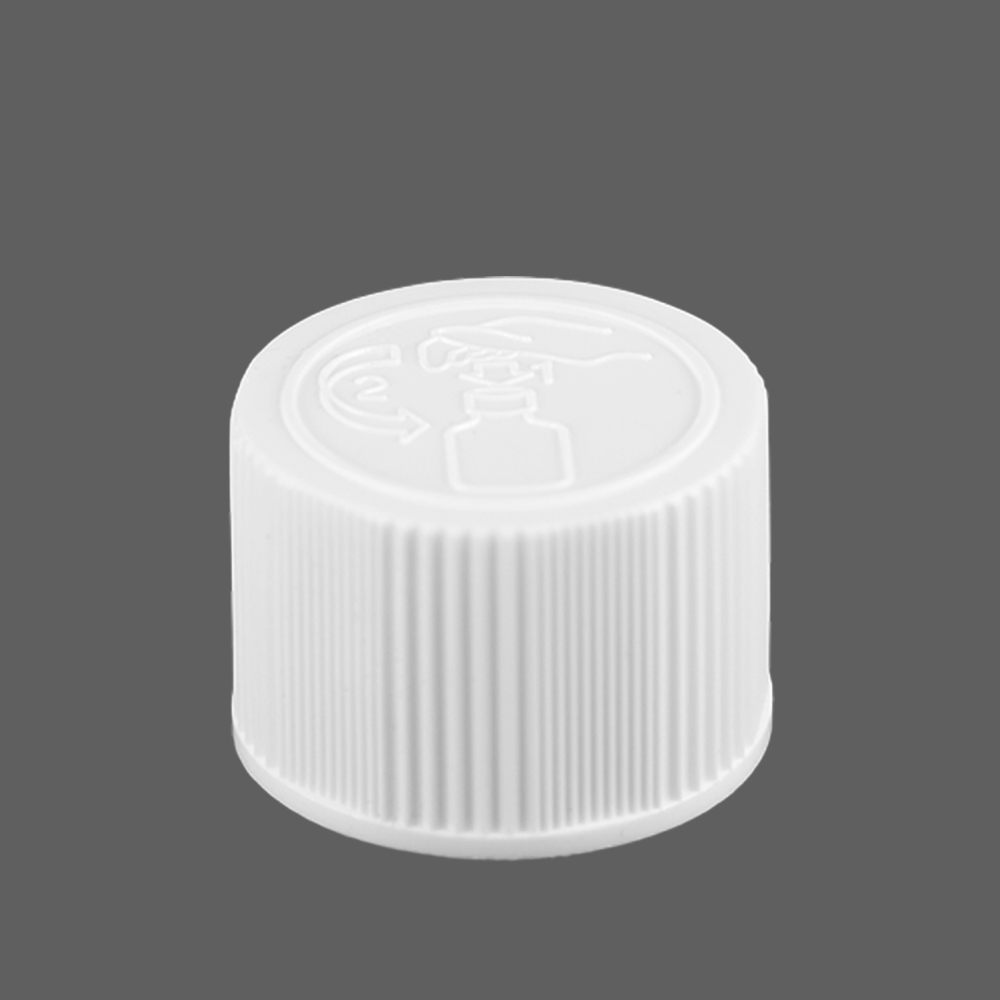
Tamper evident caps are closures designed to provide a clear visual or physical indication that a container has been opened. If the seal is broken, altered, or missing, the user immediately knows that the product is no longer factory-sealed.
Unlike pilfer-proof caps (which use a breakaway ring), tamper-evident solutions include a wider range of designs — some subtle, some highly visible — depending on product type, risk level, and market expectations.
In many industries, tamper evidence is the first line of consumer reassurance, especially for ingestible or sensitive products.
Why Tamper Evident Packaging Is Critical in Pakistan
Pakistan’s distribution environment presents unique challenges. Products often travel long distances, pass through multiple handling points, and remain on shelves for extended periods.
In such conditions, tamper-evident packaging serves three essential roles:
- Consumer trust: Customers feel safer purchasing sealed products.
- Retail confidence: Retailers are less likely to accept returns or complaints.
- Brand protection: Clear evidence prevents silent misuse or refilling.
This is why tamper-evident closures are increasingly standard across pharmaceuticals, food, beverages, cosmetics, and household chemicals.
Common Types of Tamper Evident Caps (Beyond Pilfer-Proof)
Snap Caps with Breakable Seals
Often used in personal care and cosmetic products, these caps include a breakable inner seal that must be removed before first use.
Press-On Caps with Tear Bands
Popular in some food and household applications, these provide visible tear-away elements that cannot be resealed once removed.
Induction Seal Compatible Closures
These caps work in combination with foil induction seals, offering an additional layer of tamper evidence beneath the closure.
Hybrid Safety Closures
Some applications combine tamper evidence with child-resistant features, particularly in pharmaceutical and chemical packaging.
Tamper Evident Caps vs Pilfer Proof Caps
While both serve a similar purpose, tamper evident caps and pilfer-proof caps are not identical.
Pilfer-proof caps rely on a breakaway ring and are common in beverages and edible oils. Tamper-evident caps, on the other hand, include a broader category of designs used across multiple industries.
Many brands use both — selecting the closure type based on product risk, consumer interaction, and production line requirements.
Design Factors That Affect Real-World Performance
Not all tamper-evident caps perform equally in the field. Design precision and manufacturing quality make a noticeable difference.
- Neck compatibility: Caps must align perfectly with bottle finishes.
- Seal integrity: Evidence should break only at first use — not during transport.
- Ease of opening: Customers should not struggle to access the product.
- Material consistency: Variations lead to unpredictable breakage.
This is why experienced manufacturers treat tamper-evident closures as part of the complete caps and closures system, not as standalone items.
Industries Using Tamper Evident Caps in Pakistan
- Pharmaceutical syrups and liquid medicines
- Beverages and bottled water
- Edible oils and liquid foods
- Cosmetics and personal care products
- Household cleaners and chemicals
Each category has different risk levels, which is why closure selection should be application-specific rather than generic.
Manufacturing & Quality Control Considerations
Tamper evidence only works when manufacturing consistency is maintained. Poor molding, inconsistent material flow, or worn tooling can compromise seal performance.
Manufacturers that invest in precision tooling, controlled injection molding, and regular quality checks see far fewer complaints and returns.
This is also why many brands prefer working with suppliers that specialize in caps and closures manufacturing in Pakistan rather than general plastic vendors.
Related Packaging Topics You May Find Useful
- Caps and Closures in Pakistan
- Understanding Pilfer Proof vs Tamper Evident Caps
- High-Security Closure Solutions
Final Thoughts
Tamper evident caps may not be the most visible part of your product, but they are often the most trusted.
In Pakistan’s competitive packaging landscape, tamper evidence is no longer a feature — it is an expectation.
If you are evaluating or upgrading tamper evident caps in Pakistan, explore reliable, application-specific caps and closures solutions with Mediplas to ensure safety, consistency, and long-term brand protection.