Top Oil Container Manufacturers in Karachi
The leak-proof packaging checklist Karachi’s smartest lubricant brands follow before they place a single order 🛢️🔥
If you’ve ever dealt with oil bottle leakage, cap complaints, or “mysterious” shrinkage during transport, you already know this: an oil container isn’t just packaging. It’s product protection, brand trust, and supply-chain sanity—packed into one piece of plastic.
Karachi is Pakistan’s manufacturing heartbeat, and that’s exactly why so many lubricant brands source from here. But “manufacturer in Karachi” doesn’t automatically mean reliable. The real difference is hidden in material control, tooling quality, cap compatibility, and the kind of quality checks most suppliers won’t talk about unless you ask.
This guide breaks down how to evaluate the top oil container manufacturers in Karachi like a pro—without the fluff, without guesswork, and without getting trapped in a cheap supply that costs you more later.
What counts as an oil container in Karachi’s market?
When people search oil containers or lubricant bottles in Karachi, they’re usually looking for packaging used in:
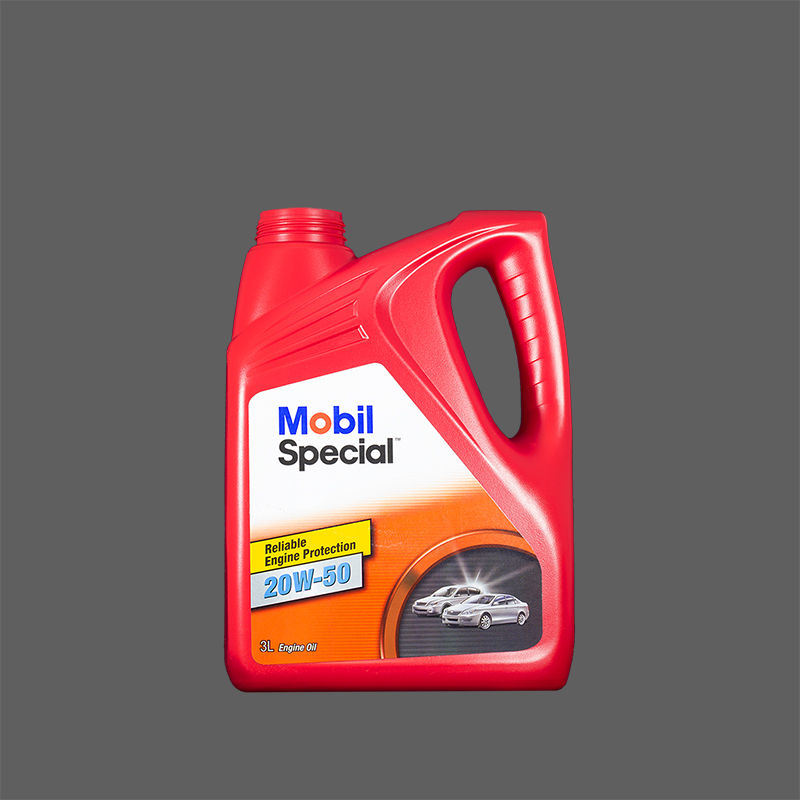
- Engine oil bottles (commonly 0.5L, 1L, 3L, 4L, 5L)
- Lubricant packaging for gear oil, hydraulic oil, and industrial fluids
- Workshop and industrial oil containers designed for rough handling
- Related automotive chemical packaging (coolants, brake fluids, additives)
In Karachi, rigid plastic dominates this category because it’s durable, scalable, and easier to ship—and because it performs well in heat and handling conditions typical across Pakistan.
Why Karachi leads Pakistan’s lubricant packaging supply chain
Karachi has a concentration of manufacturing talent that makes it a natural hub for packaging. For buyers, that usually translates into:
- Faster access to raw material supply and production support
- Better availability of skilled mold design and fabrication
- Higher scalability for bulk runs
- Stronger lead-time control for brands with frequent production cycles
But the upside only happens when you choose the right partner—one that can maintain consistent quality through every batch, every cap, every neck finish, and every shipment.
Materials that matter for plastic oil containers
1) HDPE oil bottles (the most common choice)
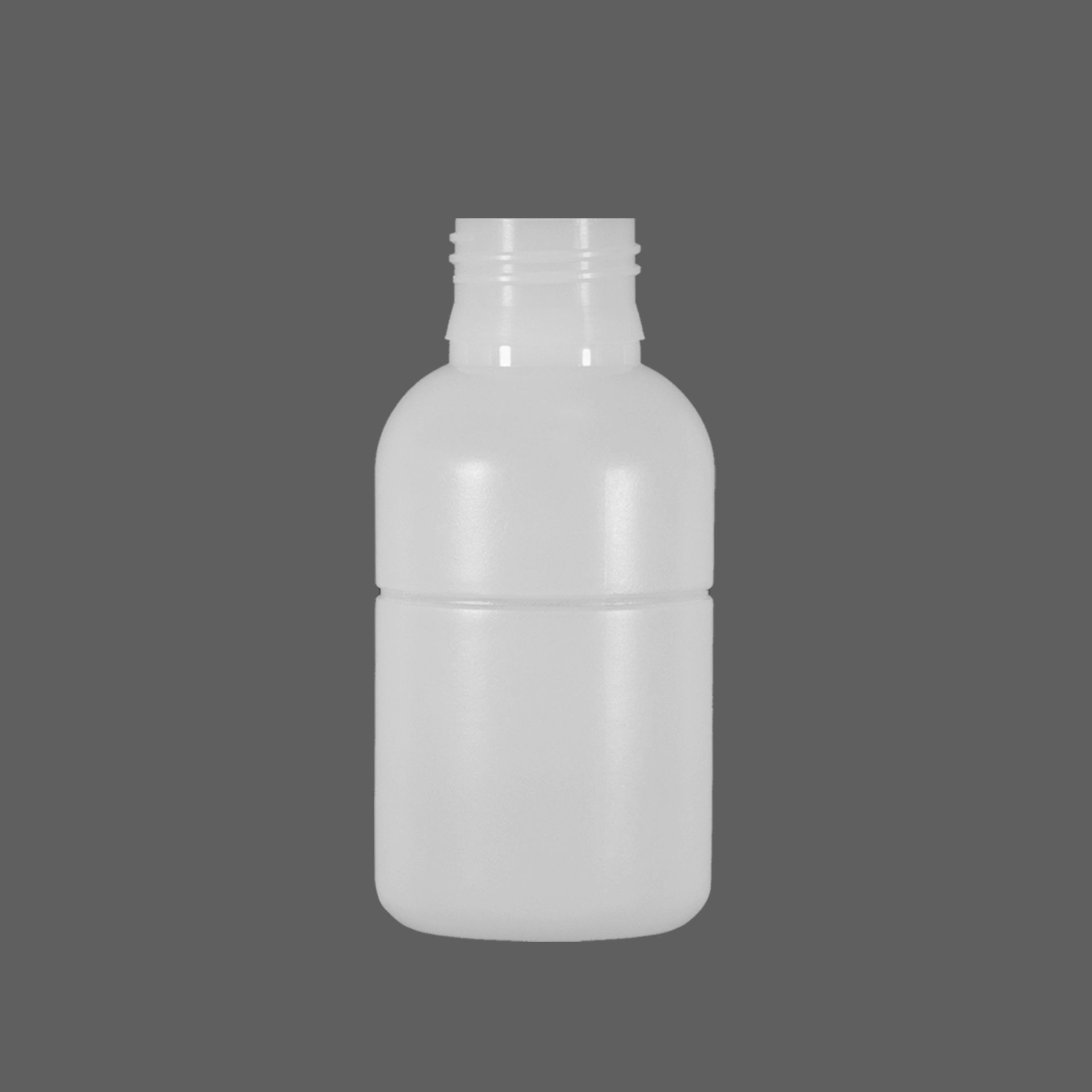
HDPE is widely used for lubricant packaging because it’s tough, chemical-resistant, and cost-effective. It also handles Karachi’s distribution realities well—heat, vibration, storage, and repeated handling.
If you want to understand how HDPE packaging is produced and what quality indicators matter, this guide is worth bookmarking:
HDPE Bottle Manufacturing in Pakistan
2) PET bottles (used less for oils)
PET is excellent for some FMCG categories, but for oils it’s typically not the first choice unless your formulation and shelf presentation require it. Most lubricant brands prioritize performance, sealing, and impact strength—which is why HDPE remains the default.
How oil containers are made in Karachi (in plain language)
Blow molding: the backbone of bottle manufacturing
Most oil bottles are produced through blow molding. What matters here isn’t just the machine—it’s the mold and how precisely it’s built. Mold quality impacts wall thickness, shape stability, gripping comfort, label panel flatness, and the consistency of the neck finish.
Want to understand what makes a serious mold supplier different from a “just good enough” one? Read:
Blow Molds Makers in Karachi, Pakistan
Injection molding: where caps and closures are won (or lost)
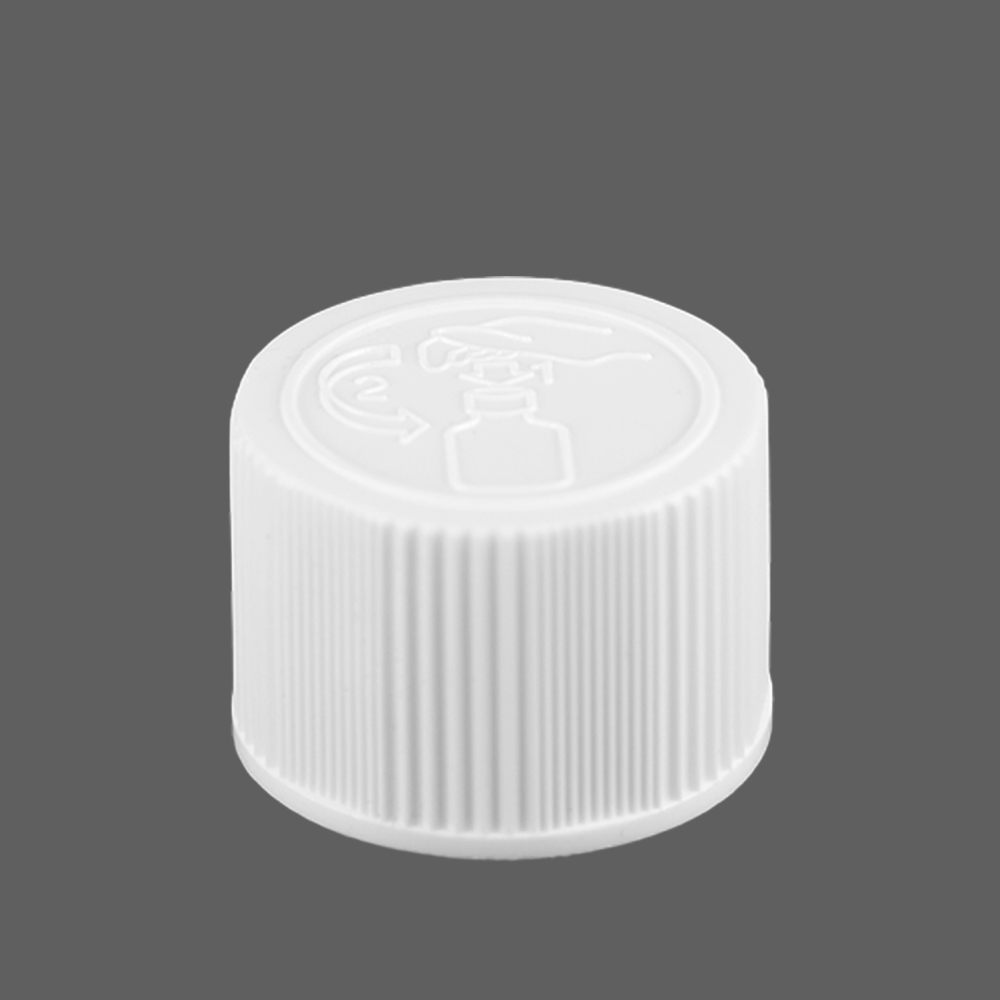
Oil packaging often fails at the cap, not the bottle. Many leakage problems come from poor cap fit, inconsistent threads, or unreliable sealing under vibration. That’s why strong caps and closures expertise is a major sign of a mature manufacturer.
Helpful deep dive:
Caps and Closures – The Unsung Heroes of Great Packaging
The real checklist to evaluate the top oil container manufacturers in Karachi
If you’re tired of vague promises like “best quality” and “reasonable rates,” use this framework. It’s what experienced procurement teams use when they want fewer complaints and more predictable production.
1) Material knowledge and consistency
A capable supplier doesn’t just “use HDPE.” They understand which grades perform best for oils, how heat affects storage, and how to keep batches consistent across production runs.
Ask this:
- Which HDPE resin grade do you recommend for lubricant packaging and why?
- How do you ensure consistent bottle weight across batches?
- Can you match color and finish consistently month after month?
2) Tooling capability (the biggest differentiator)
Tooling decides whether your bottle stays consistent or becomes an endless cycle of “minor issues.” A manufacturer with strong tooling capability can correct dimensional problems quickly and improve bottle ergonomics without delays.
Related reading:
Injection Blow Mold Maker in Karachi
3) Leak prevention and seal integrity
Oil containers live or die by sealing performance. Strong suppliers focus on neck finish precision, cap compatibility, and repeatable torque control—especially for long-distance distribution.
If tamper visibility or seal security matters for your brand, explore these:
4) Customization depth (not just “yes, we do custom”)
Real customization is not only about shape. It includes functional details that protect your product and upgrade user experience:
- Ergonomic grip and pour-friendly design
- Stable label panel for clean labeling
- Branding zones for consistent visual identity
- Cap styles aligned with your brand positioning
For a clear view of how customization works in Karachi’s packaging landscape:
Custom Plastic Packaging Solutions in Karachi
5) Quality control you can verify
“We do QC” is not enough. Ask what they test, how often, and what their acceptance criteria is. A reliable manufacturer should be comfortable discussing:
- Dimensional checks (especially neck finish and threads)
- Leak testing methods
- Visual defect control (flash, sink marks, discoloration)
- Drop testing and transport-simulation checks
6) Reliability when things get busy
Many suppliers look great until demand spikes. The best manufacturers can deliver consistent quality when you’re scaling, adding SKUs, or increasing production frequency.
Ask this:
- What’s your repeat-order lead time in peak season?
- How do you handle mold revisions or design tweaks?
- Can you support multiple sizes while keeping a consistent look?
Where Mediplas fits in Karachi’s lubricant packaging landscape
If your goal is to work with a packaging partner that supports both design and manufacturing, Mediplas positions itself as a provider of rigid and primary plastic packaging with a strong emphasis on customization and production capability.
Depending on your requirements, these Mediplas resources can help you align your oil packaging decisions with proven manufacturing practices:
- Plastic Packaging Company in Pakistan
- Plastic Packaging Services in Pakistan
- Injection Molding Companies Pakistan
Common sourcing mistakes (and how to avoid them)
- Choosing a supplier based only on the lowest per-bottle cost
- Ignoring neck finish precision until leakage complaints begin
- Skipping transport-condition testing and torque consistency checks
- Not confirming label panel flatness before printing large batches
- Using generic caps that aren’t engineered for oils and vibration
When you’re sourcing lubricant packaging, small manufacturing shortcuts become big real-world problems—usually after the product is already in the market.
Questions to ask before placing your next order
Use this list in your next meeting to quickly spot whether you’re talking to a true manufacturer or a supplier who’s “figuring it out as they go.”
- Which HDPE oil bottle resin grade do you recommend and why?
- What leak testing do you run, and what are the acceptance standards?
- How do you ensure repeatable cap fit and torque consistency?
- Can you support multiple bottle sizes with consistent design language?
- What’s your process for mold revisions and dimensional corrections?
Final word
The top oil container manufacturers in Karachi aren’t defined by marketing—they’re defined by consistency. The right supplier protects your product through heat, storage, long-haul transport, and real-world handling. That’s what keeps leakage complaints low, customer trust high, and operations smooth.
If you’re building a serious lubricant brand (or scaling one), treat packaging like a performance component—not an afterthought.
Need packaging that pours cleanly, seals reliably, and stays consistent across every batch? Explore Mediplas capabilities and start a conversation through: mediplas.com.