Do you need visual clarity?
Does the bottle need a stronger, more opaque feel?
How will it be filled, stored, transported and opened?
What closure will be used?
How important is shelf appearance?
Those questions matter more than assuming that one plastic is universally “better.”
HDPE vs PET bottles should be selected according to the product application, bottle design, required appearance, manufacturing method, closure system, handling and compatibility requirements. PET is commonly valued when clarity and presentation matter, while HDPE is widely used where an opaque, robust container format is desirable. The final decision should be confirmed for the actual formulation and packaging system.
What Is HDPE?
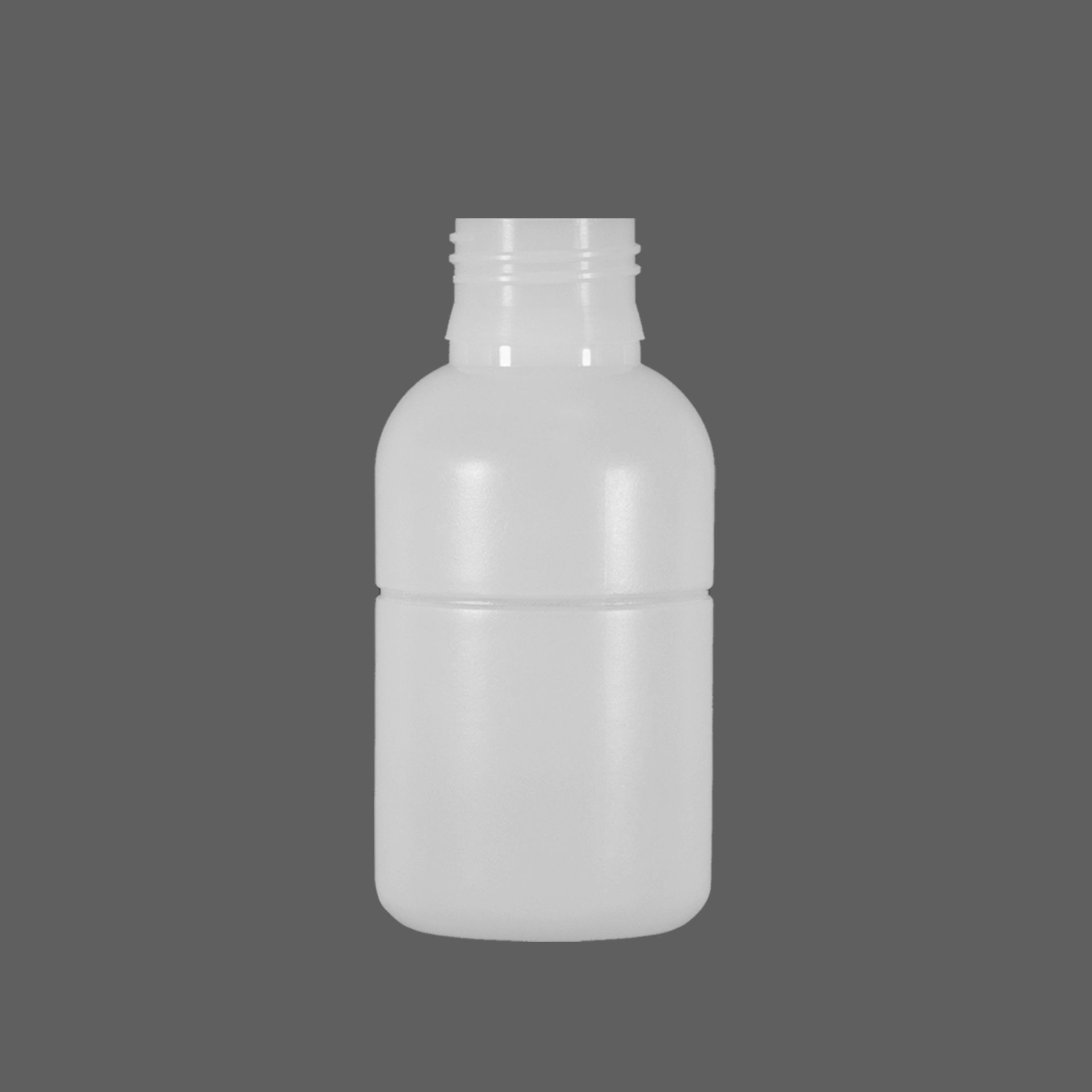
High-density polyethylene (HDPE) is widely used for rigid bottles and containers across industrial and consumer applications.
Depending on the design and resin grade, HDPE packaging is commonly associated with:
- an opaque or translucent appearance;
- good handling strength;
- lightweight packaging structures;
- use across pharmaceutical, personal-care, chemical, lubricant and FMCG applications.
What Is PET?
Polyethylene terephthalate (PET) is another widely used packaging polymer.
It is often selected for products where buyers want:
- clarity;
- high-gloss visual presentation;
- a rigid lightweight bottle;
- good shelf visibility.
The actual performance of either material depends on bottle design, wall distribution, resin specification and product requirements.
Material-selection insight: Do not choose HDPE because it sounds “stronger” or PET because it looks “premium.” Choose the material that works with the complete pack and product.
HDPE vs PET: Quick Comparison
| Factor | HDPE | PET |
|---|---|---|
| Typical visual character | Opaque/translucent | Often clear and glossy |
| Common buyer priority | Robust functional packaging | Product visibility and shelf presentation |
| Manufacturing route | Application/design dependent | Application/design dependent |
| Decoration | Must be matched to surface/process | Must be matched to surface/process |
| Closure compatibility | Must be designed as a bottle/closure system | Must be designed as a bottle/closure system |
1. Begin With What Is Inside the Bottle
Material selection should begin with the product.
A buyer should provide the manufacturer with enough information to evaluate the proposed pack.
Relevant questions include:
- What is the product category?
- What is the formulation?
- What capacity is required?
- How long will the packaged product be stored?
- How will it be transported?
- What environmental conditions will it encounter?
Where product-contact compatibility is important, the material should be assessed for the actual application rather than selected from a general online table.
2. Decide Whether Product Visibility Is Important
PET is often attractive when consumers or operators benefit from seeing the product or fill level clearly.
This can be useful for certain:
- FMCG products;
- personal-care products;
- cosmetic formulations;
- other visually driven categories.
If an opaque bottle is preferable, HDPE may fit the design direction more naturally.
3. Consider Bottle Geometry, Not Just Resin
A bottle’s performance is influenced by:
- shape;
- wall distribution;
- handle design where applicable;
- base geometry;
- neck design;
- overall weight.
A poorly designed PET or HDPE bottle can create problems regardless of material reputation.
4. Bottle Weight Should Be Optimized Carefully
Reducing plastic use can be commercially attractive.
But lightweighting should not compromise:
- handling;
- stacking;
- bottle stability;
- capping;
- transport;
- user experience.
The appropriate design balances material efficiency with required performance.
5. Closure Compatibility Applies to Both
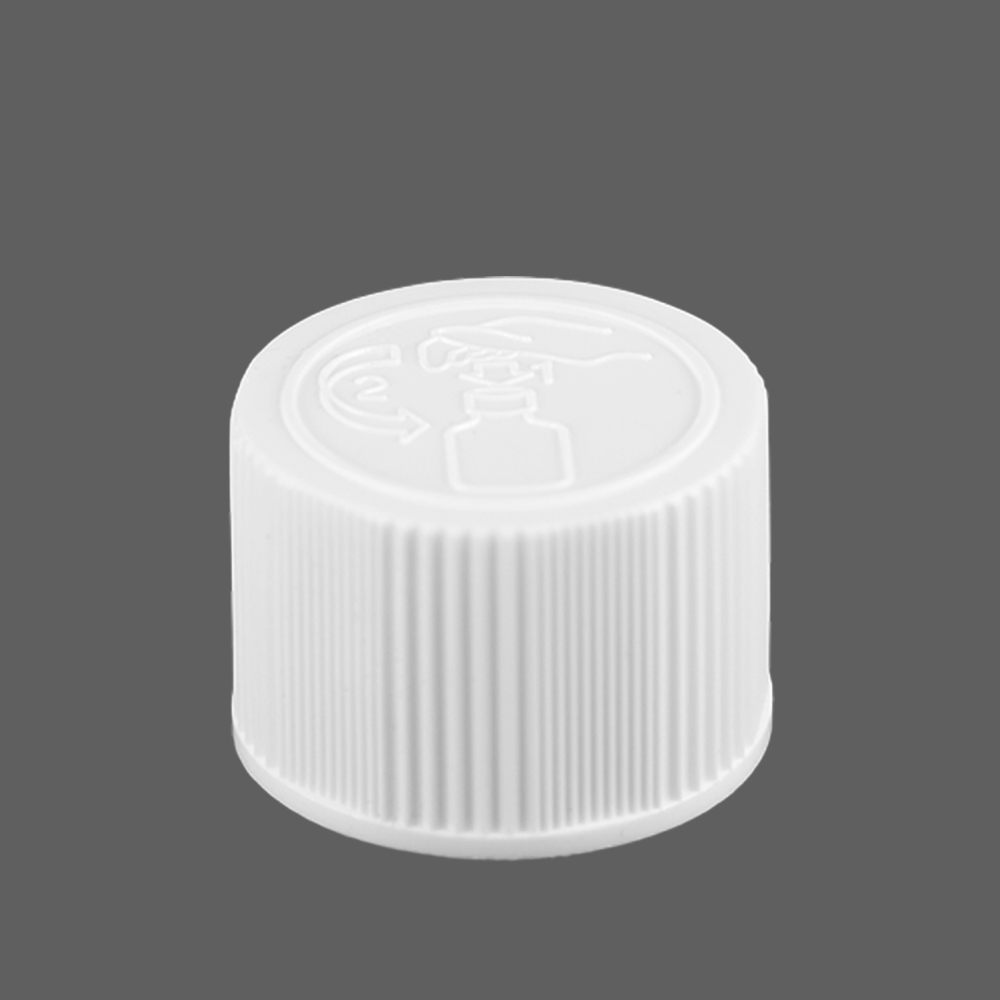
Neither HDPE nor PET can solve a poor cap-and-neck combination.
Review:
- neck finish;
- thread engagement;
- sealing surfaces;
- cap material;
- opening torque expectations;
- tamper-evident features where applicable.
6. Pharmaceutical Packaging Needs Application-Specific Evaluation
Pharmaceutical packaging cannot be selected solely because a polymer is commonly used in the industry.
The bottle, closure and product requirements should be considered together.
Mediplas currently manufactures pharmaceutical bottles and closure-related components and has separate resources for pharmaceutical primary packaging in Pakistan.
7. Cosmetics and Personal Care Often Bring Appearance Into the Decision
Packaging may need to support:
- brand color;
- premium visual finish;
- printing;
- engraving;
- dispensing;
- frequent wet-hand use.
PET’s clarity can be visually attractive in some categories.
HDPE can produce a different, more opaque brand aesthetic.
8. Lubricant and Industrial Packaging Priorities Are Different
Industrial packaging decisions can place stronger emphasis on:
- handling strength;
- container geometry;
- closure security;
- transport;
- product compatibility.
Do not assume a material commonly used for one application is automatically suitable for another formulation.
9. Decoration Must Be Tested on the Selected Surface
If your packaging will use:
- silk-screen printing;
- pad printing;
- UV-related printing methods;
- laser marking;
the decoration strategy should be considered during packaging development.
Surface characteristics, geometry and artwork all matter.
10. The Manufacturing Route Can Influence the Decision
Mediplas currently lists several production technologies within its manufacturing facility, including blow moulding, injection moulding, injection-blow and stretch-blow machinery.
A buyer does not need to specify the machine first.
The manufacturer should assess which route is suitable for the proposed component.
11. Think About Production Scale
A bottle must be suitable not only as a sample but also for repeat manufacturing.
Discuss:
- expected quantities;
- tooling route;
- sample approval;
- repeat-order requirements;
- colour consistency if relevant;
- decoration consistency.
12. Do Not Select Material on Unit Price Alone
Material price is one component of packaging cost.
A practical commercial comparison should also consider:
- mould requirement;
- container weight;
- closure;
- decoration;
- production efficiency;
- rejection or failure risk;
- logistics.
When HDPE May Be Worth Evaluating
HDPE may deserve consideration where the project calls for a robust opaque or translucent bottle and the selected resin is appropriate for the product and process.
When PET May Be Worth Evaluating
PET may deserve consideration when clarity, gloss and visible product presentation are important and the material suits the formulation, bottle design and manufacturing requirements.
When Neither Decision Should Be Made Online
If your product has sensitive compatibility requirements, unusual filling conditions or specialized performance needs, general material comparisons are not enough.
Provide the formulation and technical requirement to qualified packaging professionals and confirm the proposed system through appropriate project evaluation.
HDPE vs PET Buyer Checklist
| Question | Why It Matters |
|---|---|
| What product is being packed? | Material must suit the application |
| Is transparency required? | Influences visual/material choice |
| Which closure is needed? | Bottle and cap must function together |
| How will the bottle be decorated? | Surface/process compatibility matters |
| What quantities are expected? | Affects tooling and production planning |
| What handling conditions apply? | Influences geometry and performance |
Why Mediplas Can Support Material-Selection Discussions
Mediplas’ manufacturing business covers bottles, containers, caps and other rigid plastic components across several industries.
The company’s broader process structure also combines design development, tooling, manufacturing and post-processing rather than treating the bottle as an isolated object.
Businesses can review HDPE bottle manufacturing in Pakistan alongside Mediplas’ PET-related product and manufacturing resources before discussing the intended application.
Frequently Asked Questions
Is PET better than HDPE for bottles?
No material is universally better. Selection depends on the product, bottle design, appearance, closure, manufacturing and application requirements.
Which material is clearer?
PET is commonly used where a clear, glossy bottle appearance is desired, while HDPE is commonly opaque or translucent.
Can HDPE and PET use the same closure?
It depends on the exact neck and closure design. Compatibility should be evaluated for the individual packaging system.
Which is better for pharmaceutical bottles?
The appropriate material depends on the actual product and packaging requirements. Pharmaceutical material selection should not be based on a generic comparison alone.
Does Mediplas manufacture HDPE bottles?
Yes. Mediplas has a dedicated HDPE bottle-manufacturing offering and broader rigid plastic manufacturing capabilities.
Final Considerations
The real HDPE vs PET bottles decision is not a contest between two plastics.
It is a packaging-engineering decision involving the product, bottle shape, manufacturing process, closure, decoration and commercial production plan.
Discuss Your Bottle Material and Packaging Brief With Mediplas
If your company is comparing HDPE, PET or another rigid plastic route, review the Mediplas design and manufacturing capabilities and prepare your product application, required capacity, closure needs, expected quantity and reference packaging.
Contact Mediplas to discuss which packaging route deserves further technical evaluation.