Injection Blow Moulded Bottle Manufacturer Pakistan: Precision Bottle Manufacturing & Packaging Development
Not every plastic bottle should be produced with the same manufacturing process.
Some packaging projects place particular importance on bottle neck geometry, dimensional consistency, compact container design and repeatable production. In these applications, injection blow moulding may be worth evaluating instead of treating conventional blow moulding as the default solution.
For companies searching for an Injection Blow Moulded Bottle Manufacturer Pakistan, the important question is not simply whether a supplier owns an injection blow moulding machine.
The buyer should determine whether the process suits the bottle, material, closure, filling operation and commercial production volume.
What Is Injection Blow Moulding?
Injection blow moulding, often shortened to IBM, is a plastic manufacturing process used for suitable hollow packaging components.
Rather than creating the complete bottle in one conventional blowing operation, IBM combines an injection stage with a subsequent blow-forming stage.
The process can be attractive for selected packaging designs that require controlled neck features and repeatable bottle geometry.
However, manufacturing-process selection should always follow the packaging requirement.
When Should Buyers Consider Injection Blow Moulding?
IBM can be worth evaluating for bottles and containers where the project prioritises characteristics such as:
- controlled neck dimensions
- smaller or medium-sized rigid packaging formats
- repeatable bottle geometry
- clean external appearance
- compatibility with precision closures
- and production repeatability.
The exact suitability depends on the material, design and intended application.
Start With the Bottle — Not the Machine
A packaging project should never be forced into IBM simply because the manufacturing equipment is available.
Before choosing the process, define:
- product being packed
- required fill volume
- bottle dimensions
- neck finish
- closure type
- material
- colour
- filling method
- and expected annual volume.
The manufacturer can then evaluate whether injection blow moulding is technically and commercially suitable.
Neck Finish Is a Critical Part of Bottle Development
The bottle neck forms the mechanical interface with the closure.
If neck dimensions vary excessively, packaging problems may include:
- poor cap engagement
- inconsistent torque
- leakage
- sealing difficulty
- and filling-line problems.
A bottle-development project should therefore establish the neck and closure system together.
Closure Selection Should Happen Early
Do not finish the bottle design and then search for a cap afterwards.
The closure can influence:
- neck diameter
- thread profile
- sealing surface
- bottle height
- overall pack appearance
- and filling-line setup.
Where possible, the intended bottle and closure should be evaluated as one packaging system during sample development.
Material Selection Changes the Manufacturing Discussion
Plastic materials differ in stiffness, clarity, processing behaviour, chemical compatibility and appearance.
The buyer should provide the approved material requirement where it has already been determined.
If material is still under evaluation, selection should consider:
- product compatibility
- required bottle appearance
- mechanical performance
- manufacturing process
- closure system
- and the customer’s packaging specification.
Bottle Capacity Is More Than a Millilitre Number
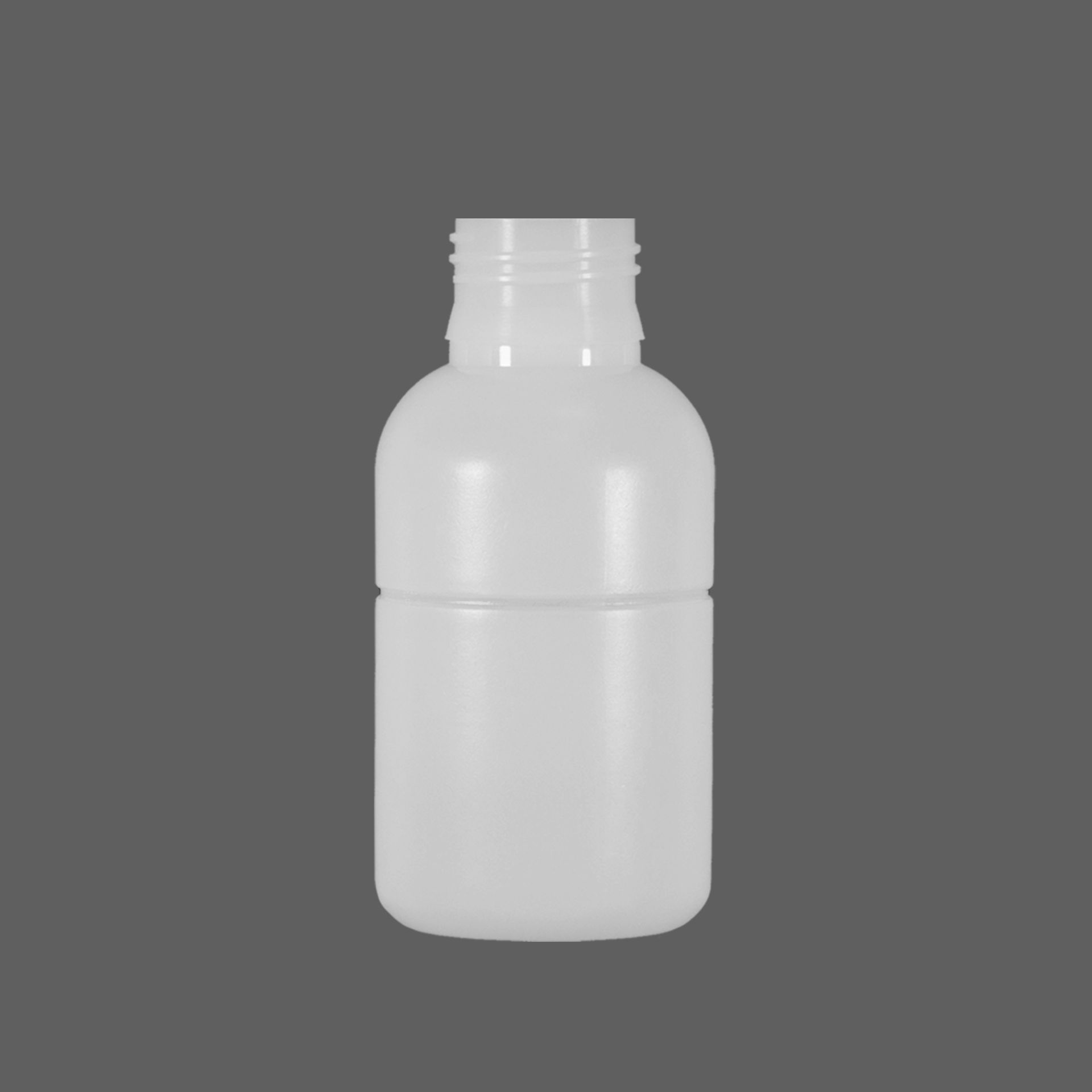
A buyer may request a 50ml, 100ml or 200ml bottle, but nominal capacity alone does not define the final pack.
Development should also consider:
- actual fill volume
- headspace
- bottle shoulder
- neck length
- base geometry
- overall height
- label area
- and closure height.
Wall Distribution Should Support Real Use
A lightweight bottle can reduce plastic consumption, but removing too much material may affect:
- rigidity
- handling
- transport
- filling-line stability
- and overall container performance.
The target bottle weight should therefore be validated against the actual packaging application.
Custom IBM Bottle Development Starts With a Technical Brief
Where an existing bottle cannot meet the requirement, custom development may begin from:
- a reference sample
- 2D drawing
- 3D CAD file
- capacity requirement
- neck specification
- closure sample
- material specification
- branding requirements
- and forecast production quantity.
Mould Development Is Central to the Project
The mould needs to reproduce the intended bottle geometry consistently over repeated production cycles.
Tool-development considerations can include:
- bottle shape
- neck details
- cavity configuration
- material
- cooling
- production output
- and future mould maintenance.
Tooling Should Match Production Volume
A lower-volume launch project may require a different mould strategy from a bottle expected to run continuously at high commercial quantities.
Expected monthly and annual demand should therefore be shared before mould specifications are finalised.
Sampling Is Where the Packaging Becomes Real
A CAD drawing can look perfect while a physical bottle reveals practical issues.
Samples allow buyers to review:
- dimensions
- capacity
- closure fit
- appearance
- label area
- base stability
- and filling-line compatibility.
Test the Bottle With the Actual Closure
A closure should not be approved only from a drawing or theoretical neck specification.
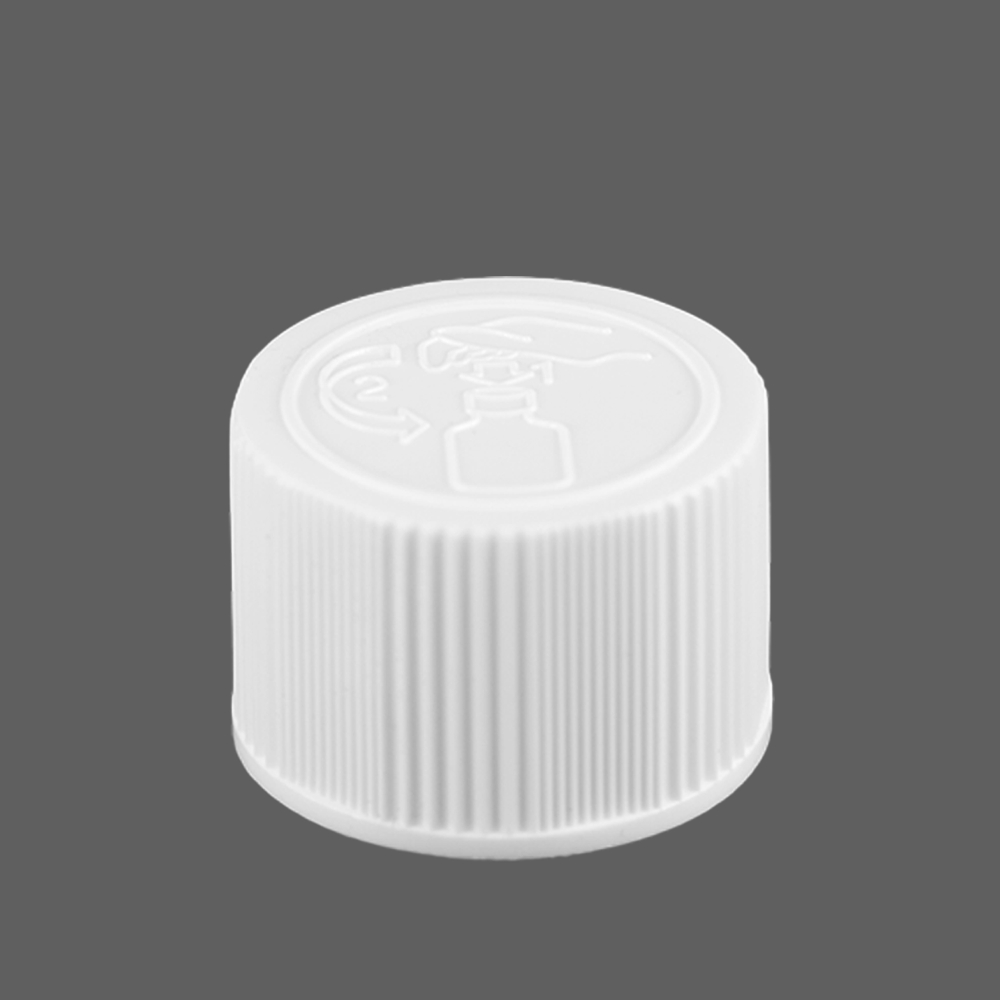
Where possible, the buyer should evaluate the actual production-intent bottle and cap together.
This is particularly important where leakage prevention depends on several interacting surfaces.
Buyers can also review Mediplas’ plastic bottle leakage prevention guide for more detail on bottle, neck and closure fit.
Injection Blow Moulding and Extrusion Blow Moulding Are Not Interchangeable
Both processes can produce hollow plastic packaging, but they use different manufacturing approaches.
The better option can depend on:
- bottle geometry
- neck requirement
- material
- container size
- tooling economics
- and production volume.
A buyer should therefore compare the process according to the actual bottle specification rather than assuming one technique is universally superior.
IBM and Stretch Blow Moulding Are Also Different
Stretch blow moulding is commonly associated with suitable PET packaging formats and has its own tooling and preform considerations.
Injection blow moulding should be evaluated separately according to the intended container and polymer.
Pharmaceutical Bottle Projects Need Particular Attention to Compatibility
For pharmaceutical packaging, bottle development should be based on the approved packaging specification and the product owner’s requirements.
The bottle manufacturer should focus on producing the moulded component consistently according to the agreed specification.
Product-contact suitability, stability and final packaging validation remain part of the pharmaceutical company’s complete programme.
Cosmetic and Personal-Care Bottles Have Different Commercial Priorities
Cosmetic bottle projects may place more emphasis on:
- appearance
- colour
- surface quality
- closure design
- decoration
- and shelf presentation.
The manufacturing process still needs to deliver consistent dimensions beneath the visual design.
Decoration Should Be Considered During Bottle Design
Possible decoration methods may include:
- labels
- silk screen printing
- pad printing
- UV printing
- laser marking
- or another suitable process.
The chosen bottle geometry should leave enough usable area for the intended branding method.
Production Quality Is About Repeatability
One attractive development sample is not enough.
Commercial production should aim to maintain agreed characteristics across future batches.
Quality checks may include:
- bottle weight
- critical dimensions
- neck finish
- visual appearance
- colour
- closure fit
- and other project-specific acceptance criteria.
What Should an IBM Bottle RFQ Include?
- Industry and application
- Product being packed
- Required fill volume
- Reference bottle or drawing
- Required plastic material
- Neck specification
- Closure sample or specification
- Bottle colour
- Decoration requirement
- Filling-line information
- Monthly or annual quantity
- Existing tooling information
- Custom mould requirement
- Required development samples
How Should Buyers Compare Injection Blow Bottle Manufacturers?
Compare more than the quoted bottle price.
A stronger evaluation includes:
Process Suitability + Bottle Design + Neck Precision + Mould Development + Material + Closure Compatibility + Sampling + Quality Control + Repeat Production
Injection Blow Moulding Resources
Buyers evaluating process and tooling options can also review Mediplas’ injection blow mould manufacturing and related mould-development resources.
Frequently Asked Questions
What is injection blow moulding used for?
It can be used for suitable hollow plastic bottle and container formats where the selected geometry, neck requirements, polymer and production volume fit the process.
Is injection blow moulding better than regular blow moulding?
Not universally. The correct process depends on bottle design, material, neck finish, quantity and commercial requirements.
Can a custom injection blow bottle mould be developed?
Yes, subject to technical feasibility, approved bottle geometry, material requirements and projected production volume.
Why is neck finish important?
The neck determines how the bottle interacts with its closure and can affect sealing, cap engagement and filling-line performance.
Should buyers provide the cap during bottle development?
Yes. Providing the intended closure or its complete specification can significantly improve bottle-and-cap compatibility evaluation.
Discuss Your Injection Blow Moulded Bottle Project With Mediplas
Share your bottle drawing or sample, required volume, material, closure and production forecast to begin evaluating whether injection blow moulding is the appropriate manufacturing route.
The right bottle process is not the one that sounds most advanced. It is the one that can reproduce the required bottle geometry, neck and packaging performance reliably at commercial scale.