Sometimes neither component is defective on its own—the problem is that they were never properly considered as one packaging system.
For pharmaceutical, FMCG, cosmetic, lubricant and industrial brands, plastic bottle leakage prevention starts long before filled bottles reach a warehouse or delivery vehicle.
It begins with bottle geometry, neck finish, closure compatibility, material, mould consistency, capping conditions and the intended product application.
Reliable plastic bottle leakage prevention requires the bottle and closure to be designed and evaluated together. Buyers should review neck-finish dimensions, threads, sealing surfaces, closure design, bottle consistency, application requirements and capping conditions rather than assuming that tightening a cap harder will solve every leak.
Why Bottle Leaks Are a Packaging-System Problem
A package works through interaction between several parts:
- bottle or container;
- neck;
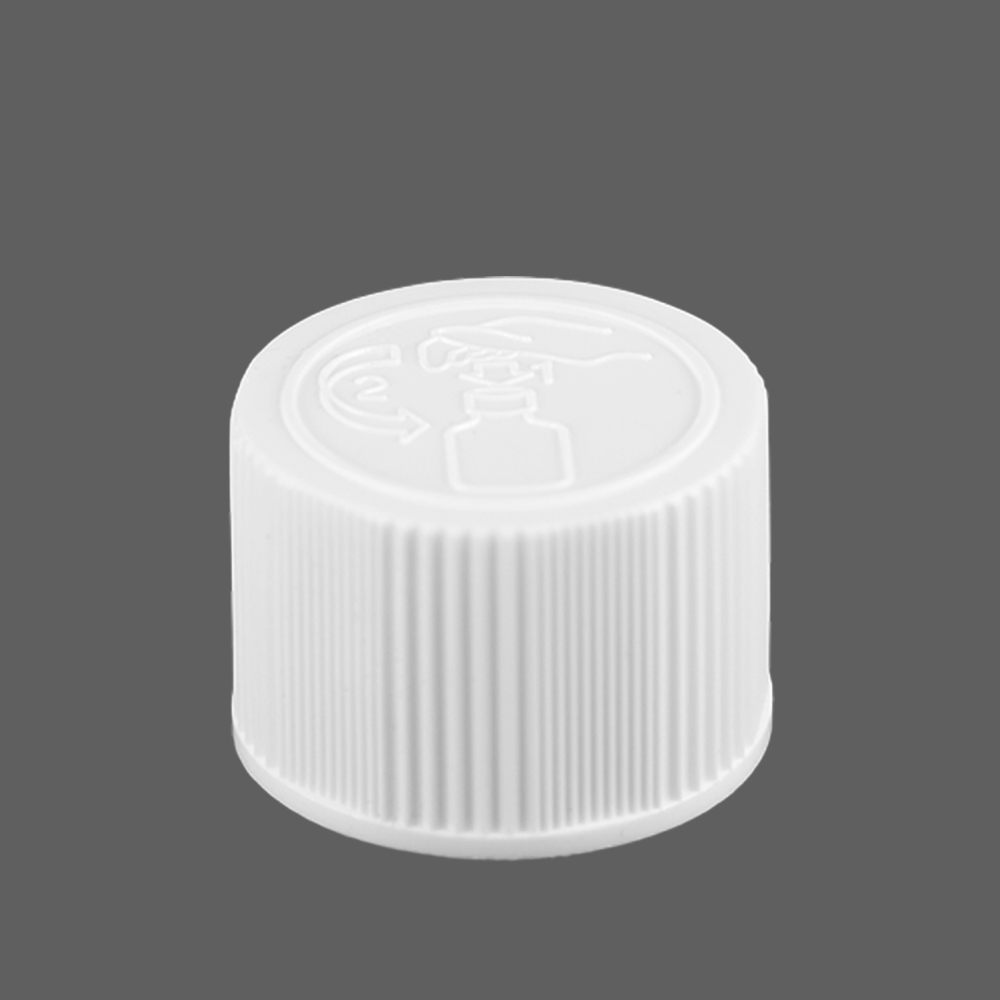
- closure;
- liner, seal or wadding where applicable;
- product;
- filling and capping process.
If one element is incompatible with another, leakage can appear even when the individual components look acceptable.
Packaging insight: A cap does not seal a product in isolation. It seals against a specific bottle neck under specific production and use conditions.
1. Start With the Neck Finish
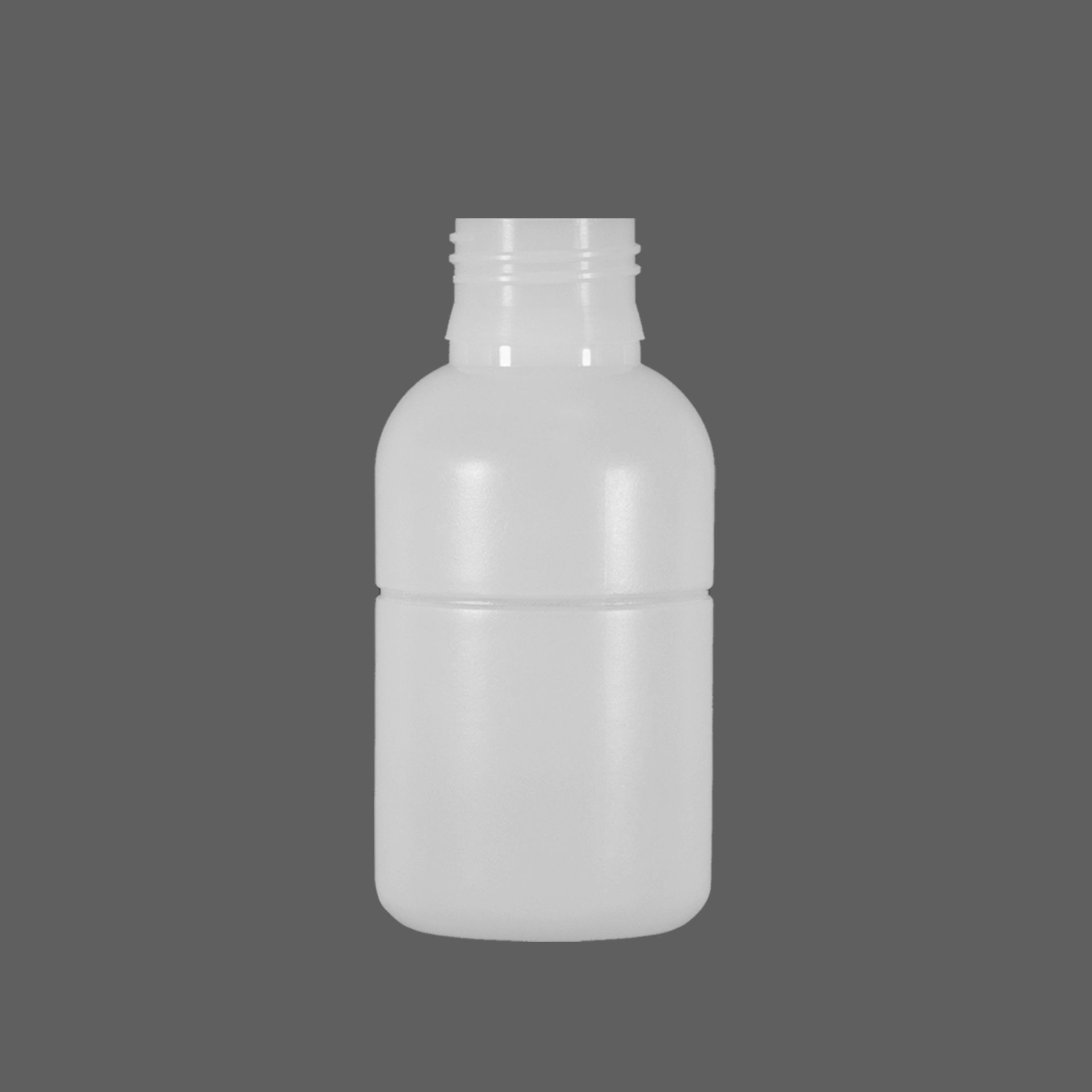
The bottle neck includes the geometry that interacts directly with the closure.
Important characteristics can include:
- thread profile;
- neck diameter;
- sealing surface;
- neck height;
- dimensional consistency.
A small mismatch can affect closing behaviour and sealing.
2. The Closure Must Match the Bottle
A cap that looks correct visually may still be wrong for the neck.
Buyers should confirm that the closure has been selected for the exact bottle design.
This is particularly important when components come from different suppliers.
3. More Tightening Is Not Always the Answer
If a closure leaks, the instinct may be to apply more tightening force.
That can create another problem.
Excessive tightening may:
- damage threads;
- deform components;
- make opening difficult;
- affect tamper-evident features;
- create inconsistent user experience.
The correct closing conditions depend on the packaging design.
4. Sealing Surfaces Need Consistency
The closure needs a reliable surface against which to seal.
If bottle necks vary significantly from one unit to another, a closure that works on one bottle may behave differently on another.
This is why repeat manufacturing consistency matters.
5. Mould Condition Can Influence Neck Accuracy
Plastic components depend on tooling.
Poor tooling, wear or inconsistent processing can affect critical geometry.
For a packaging buyer, the practical question is whether the manufacturer has control over the tooling and production process needed to reproduce the approved component.
6. Bottle Material and Design Matter
Bottle-wall behaviour, neck stiffness and container geometry can vary between designs and materials.
Material selection should therefore be evaluated with:
- the product;
- the bottle shape;
- the closure;
- the intended distribution environment.
7. Product Compatibility Can Affect the Packaging Decision
The filled product may influence how a complete package should be evaluated.
Pharmaceutical liquids, personal-care products, lubricants and industrial fluids can have different packaging requirements.
Do not assume a package used successfully for one formulation will automatically suit another.
8. Tamper Evidence and Sealing Are Related but Different
A tamper-evident feature tells the user whether the package has been opened or altered.
Leak prevention concerns containment.
A pack can require both.
Examples of closure concepts include:
- standard screw closures;
- pilfer-proof closures;
- tamper-evident formats;
- child-resistant closures.
The appropriate closure should be selected according to the product and intended use.
9. Induction Seals and Wadding Require System-Level Planning
Some packaging systems use additional sealing components.
Where these are part of the design, compatibility among bottle neck, closure, seal and production process needs to be considered.
Mediplas currently lists CRC assembly with induction seal/wadding among its post-processing operations for pharmaceutical needs.
10. Transportation Can Reveal Weaknesses That Static Samples Do Not
A bottle sitting upright on a desk experiences very different conditions from a filled pack moving through logistics.
Distribution can expose packaging to:
- movement;
- vibration;
- stacking;
- temperature changes;
- repeated handling.
Packaging development should consider the intended journey of the product.
11. Cosmetic Packaging Has Its Own Leakage Risks
A cosmetic bottle may be used:
- in bathrooms;
- with wet hands;
- inside handbags;
- during travel;
- in salons.
A leaking cosmetic package quickly becomes a brand-experience problem.
12. Lubricant Containers Require Secure Handling
For lubricants and industrial liquids, leakage can create:
- product loss;
- mess;
- transport problems;
- warehouse contamination;
- customer complaints.
The bottle and closure therefore need to be reviewed against intended handling and storage.
13. Sample Approval Should Include the Complete Pack
Do not approve:
- the bottle alone;
- the cap alone;
- the artwork alone.
Where possible, review the complete proposed packaging combination.
14. Production Consistency Matters More Than One Good Sample
A sample proves that a good unit can exist.
Commercial manufacturing needs to reproduce that quality.
Buyers should therefore discuss how dimensional and visual consistency will be managed across repeat production.
Common Causes Worth Investigating When Bottles Leak
| Possible Area | Question |
|---|---|
| Neck | Is the neck geometry consistent? |
| Closure | Is the cap designed for this neck? |
| Sealing surface | Is contact consistent? |
| Application | Is the package appropriate for the product? |
| Capping | Are closing conditions appropriate? |
| Additional seal | Is it compatible with the complete system? |
How to Brief a Manufacturer About a Leakage Problem
Provide:
- the leaking bottle;
- the closure;
- reference samples from acceptable production;
- product application;
- where and when the leak appears;
- how bottles are filled and capped;
- storage and transport conditions;
- photographs or production information where useful.
A vague complaint such as “cap leaks” gives the manufacturer much less information than a complete problem description.
Why Mediplas Treats Related Components as One Pack
Mediplas’ recent pharmaceutical packaging-development guidance emphasizes that bottles, closures and accessories should be considered together rather than as unrelated components.
The company also manufactures bottles, caps and closures and operates mould-development and plastic-manufacturing services.
Companies developing a secure container system can review Mediplas caps and closures in Pakistan alongside its bottle-manufacturing resources.
Frequently Asked Questions
Why does a plastic bottle leak even when the cap is tight?
Possible causes include bottle-neck variation, incompatible threads or sealing surfaces, closure issues, inappropriate capping conditions or other system-level factors.
Can I use any cap with the same-looking bottle neck?
No assumption should be made from appearance alone. The bottle and closure need compatible dimensions and sealing geometry.
Does a tamper-evident cap prevent leakage?
Tamper evidence and leakage prevention serve different purposes. A complete closure system may need to provide both.
Should bottles and caps be sourced together?
They do not always need to come from one supplier, but their compatibility should be confirmed as a complete system.
Can Mediplas develop bottles and closures?
Mediplas’ current portfolio and services include bottles, caps, closures, design development, mould fabrication and manufacturing. Suitability depends on the individual project.
Final Considerations
Plastic bottle leakage prevention is not about finding the tightest cap.
It is about building a bottle, neck, closure and production process that work together consistently.
Discuss Bottle and Closure Compatibility With Mediplas
If your business is developing a new bottle or experiencing a recurring packaging problem, review Mediplas’ caps and closure capabilities and broader design and manufacturing services.
Bring the bottle, closure, product application and available production information when you contact Mediplas so the discussion can focus on the complete packaging system.