Plastic Insert Nozzle Manufacturer Pakistan: LDPE Dispensing Inserts, Bottle Fit & Custom Moulding
Small dispensing inserts are easy to overlook during packaging development because they occupy very little space compared with the bottle and closure.
Yet a small insert can control how a product exits the package, how accurately the user dispenses it and how the bottle and cap function together.
For companies evaluating a Plastic Insert Nozzle Manufacturer Pakistan, the component should therefore be selected according to its dispensing function, bottle opening, closure system and product characteristics.
A generic insert selected only by outside diameter can create problems once commercial filling and use begin.
What Is a Plastic Insert Nozzle?
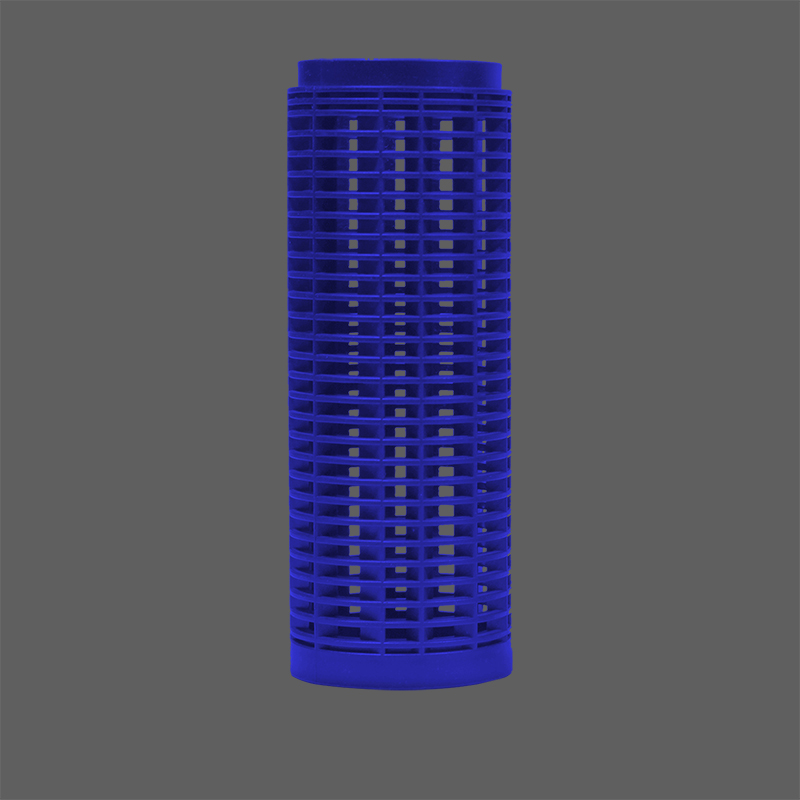
A plastic insert nozzle is a small moulded component positioned within or around the opening of a compatible container to create a controlled dispensing path.
Depending on its design, an insert may help:
- reduce the size of the bottle opening
- guide liquid flow
- create a defined dispensing orifice
- support drop-style dispensing
- or interface with a closure system.
The specific function should be defined by the packaging project.
Start With the Product Being Dispensed
A thin liquid and a thicker formulation will not behave identically through the same opening.
Before choosing an insert, buyers should consider:
- product viscosity
- intended dispensing rate
- desired drop or stream behaviour
- how the user handles the bottle
- and whether the package is repeatedly opened and closed.
The Orifice Is a Functional Feature
The nozzle opening should be treated as an engineered dimension rather than a cosmetic detail.
A small change in orifice size can affect how product leaves the bottle.
Where dispensing behaviour is important, samples should be evaluated using the actual formulation or an appropriate development equivalent.
Insert Fit Begins With the Bottle Opening
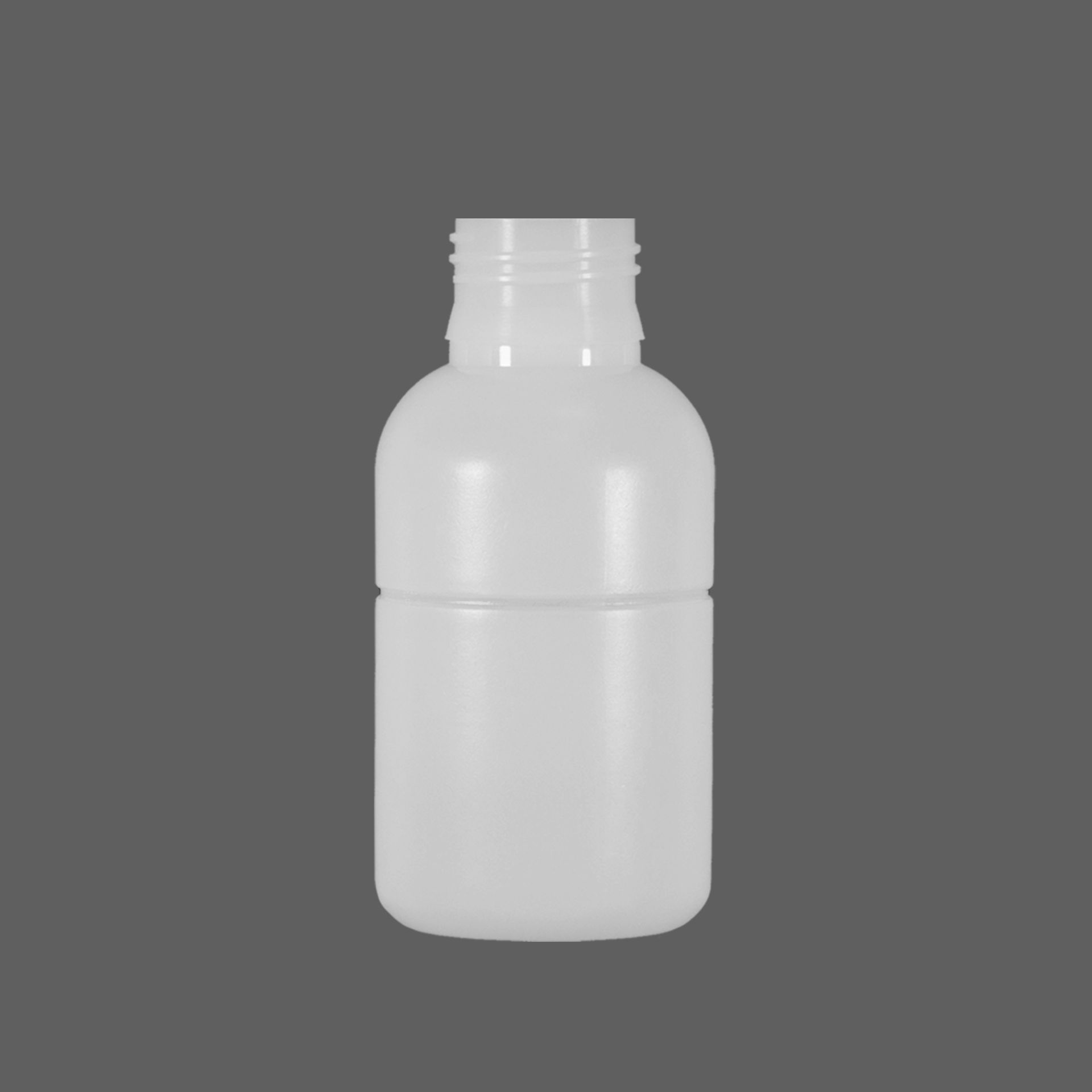
The insert needs to match the bottle geometry.
Important dimensions can include:
- inside neck diameter
- mouth geometry
- insert outside diameter
- engagement depth
- retention feature
- and final installed position.
The bottle sample or complete technical drawing should be provided during development.
An Insert That Is Too Loose Can Create Packaging Problems
If the insert does not engage the bottle correctly, it may move, rotate unexpectedly or fail to remain in its intended position.
Fit should therefore be evaluated under actual handling and use conditions.
An Insert That Is Too Tight Can Also Be a Problem
Excessive interference may make assembly difficult or place unwanted stress on the bottle neck or insert.
The dimensional relationship should provide the intended retention without creating unnecessary assembly force.
LDPE Can Suit Flexible Insert Designs
Low-density polyethylene can provide flexibility useful for selected insert and nozzle designs.
Its suitability still depends on the component, product-contact requirement, geometry and customer specification.
Material should be confirmed as part of the approved packaging-development process.
Material Flexibility Influences Assembly
A flexible insert may use interference or snap-type geometry to engage with the bottle opening.
The design needs enough flexibility for assembly while retaining its functional dimensions afterwards.
The Closure Must Still Fit After the Insert Is Installed
An insert can change the internal geometry around the bottle mouth.
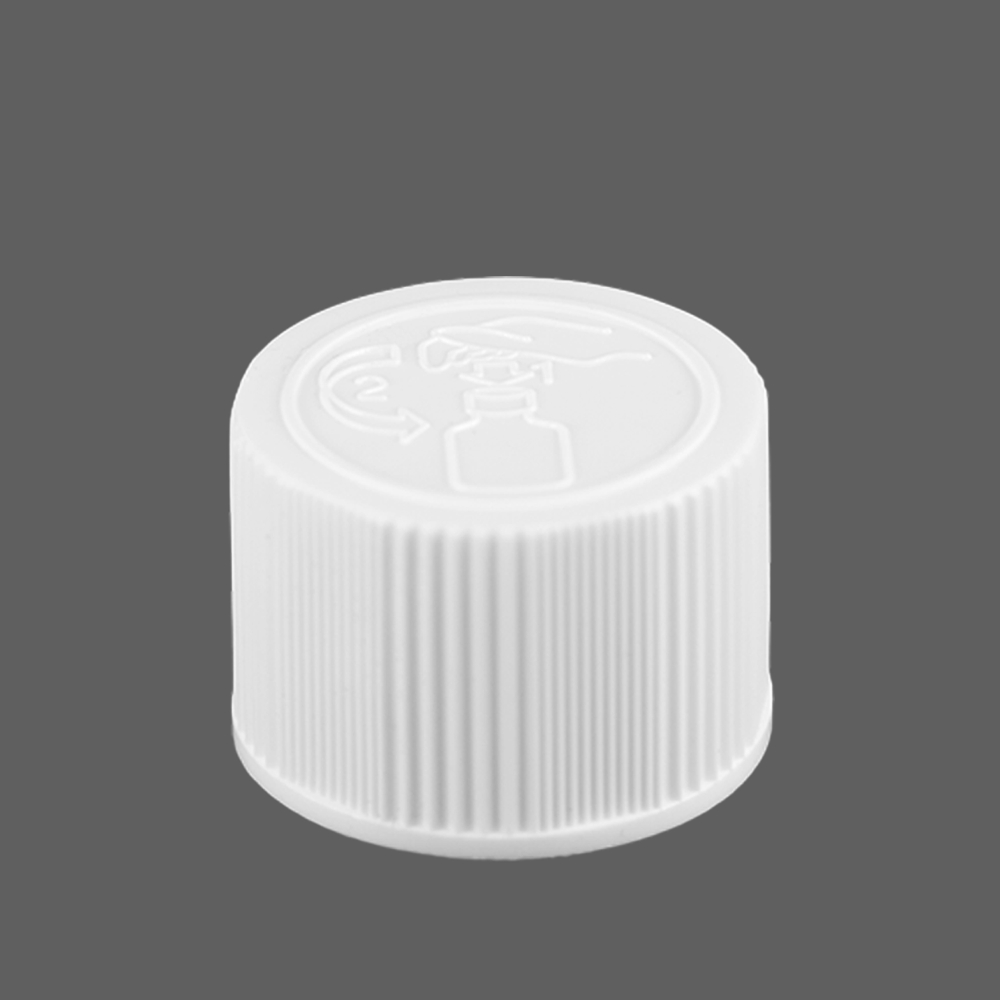
The final package should therefore be evaluated with its intended cap.
Check:
- cap engagement
- internal clearance
- sealing surfaces
- insert height
- and whether the closure contacts the insert as intended.
Think in Terms of Bottle + Insert + Closure
These three components should be treated as a single dispensing system.
If they come from different suppliers, accurate dimensional information and physical samples become even more important.
Custom Insert Development Starts With the Interface
A development brief should include:
- bottle sample
- bottle neck drawing
- closure sample
- product type
- required dispensing behaviour
- target orifice
- insert material
- colour
- and required quantity.
Mould Design Must Reproduce Small Features Consistently
Insert nozzles can include relatively small functional geometry.
The injection mould may need to reproduce:
- orifices
- retention ribs
- sealing surfaces
- thin flexible sections
- and other detailed features.
Mould quality therefore has a direct effect on component consistency.
High Cavitation Can Support Large Volumes
Small plastic parts can often be required in large quantities.
Where demand justifies it, multi-cavity moulding can improve production output.
Cavity quantity should still be balanced against:
- tool cost
- production volume
- part consistency
- machine capability
- and maintenance.
Part Weight Can Be a Useful Process Indicator
For small moulded components, changes in part weight can sometimes indicate process variation.
Weight monitoring may therefore support dimensional and visual inspection as part of the agreed production controls.
Flash Can Affect Insert Function
Excess plastic around a small dispensing or sealing feature can interfere with assembly or flow.
Visual inspection should pay particular attention to:
- orifice cleanliness
- parting-line flash
- deformation
- short moulding
- and damaged retention features.
Assembly Method Should Be Defined Early
The insert may be fitted manually or using automated/semi-automated equipment.
The installation method can influence component geometry and dimensional tolerances.
A design that is acceptable for manual assembly may behave differently at high production speeds.
Insertion Force Can Matter
Where an insert is press-fitted into the bottle, excessive installation force may slow production or damage packaging.
Insufficient retention can create the opposite problem.
Sample trials should therefore include the planned assembly method.
Filled-Product Testing Is Important
Dispensing performance cannot be fully evaluated using an empty package.
The brand owner should test the actual:
Product + Bottle + Insert + Closure + Intended Use Orientation
This can reveal flow behaviour that dimensional measurements alone cannot predict.
Packaging Orientation Can Change Dispensing
The way a user tilts or inverts the bottle can affect the product’s movement through the nozzle.
Testing should reflect the intended real-world use rather than only one laboratory position.
Colour May Help Component Identification
Some packaging projects use coloured inserts to differentiate products or support assembly identification.
If colour is specified, it should be controlled alongside material and dimensions.
Standard Insert or Custom Mould?
An existing component is usually the simplest route where it matches:
- bottle opening
- closure
- product
- dispensing requirement
- and required quantities.
Custom tooling may be justified where those needs cannot be met by an available insert.
What Should an Insert Nozzle RFQ Include?
- Product/application
- Bottle sample
- Bottle neck dimensions
- Closure sample
- Required dispensing behaviour
- Target nozzle/orifice dimensions if defined
- Material requirement
- Colour
- Assembly method
- Reference insert if available
- Monthly/annual quantity
- Custom mould requirement
- Required samples
Compare Insert Manufacturers on Functional Fit
When choosing a Plastic Insert Nozzle Manufacturer Pakistan, compare:
Component Design + Bottle Fit + Orifice Consistency + Material + Mould Quality + Assembly Behaviour + Closure Compatibility + Production Repeatability
Connect Inserts With the Wider Packaging System
Insert-nozzle projects may form part of pharmaceutical, cosmetic, FMCG or other rigid-plastic packaging programmes.
Buyers can also review Mediplas’ rigid plastic packaging and custom pharmaceutical packaging resources where the insert is one element of a larger pack.
Frequently Asked Questions
What is an LDPE insert nozzle?
It is a small moulded dispensing component made from LDPE where that material suits the required flexible geometry and packaging application.
Can insert nozzle size be customised?
Custom development may be possible according to bottle dimensions, required orifice, material and commercial quantities.
Does the insert need to be tested with the cap?
Yes. The insert can affect internal bottle-mouth geometry, so the complete bottle-insert-closure arrangement should be evaluated.
Why is the orifice dimension important?
It influences product dispensing and should therefore be defined according to the intended product and use.
Can insert nozzles be produced in different colours?
Colour options may be evaluated according to material, manufacturing requirements and order quantities.
Discuss Your Plastic Insert Nozzle Project With Mediplas
Share the bottle, closure, product, desired dispensing behaviour and required quantities so the component can be evaluated as part of the complete packaging system.
A dispensing insert may be one of the smallest parts of a package, but the dimensions of that small component can control how the entire pack functions in the user’s hand.