That is why choosing a rigid plastic packaging manufacturer in Pakistan should involve more than asking whether a supplier can produce a plastic container at a particular unit price.
Industrial buyers need to understand whether the manufacturer can support the complete requirement: product design, material selection, mould development, manufacturing method, closure compatibility, finishing and repeat production.
Mediplas Innovations describes its core business as designing, developing and manufacturing rigid and primary plastic packaging for industrial usage. Its current manufacturing and service structure covers pharmaceutical, FMCG, lubricant, cosmetic and textile applications.
A strong rigid plastic packaging manufacturer in Pakistan should be evaluated on more than production capacity. Buyers should review design-development capability, tooling, suitable manufacturing processes, bottle or container consistency, closure compatibility, finishing options, scale-up planning and the manufacturer’s understanding of the intended industrial application.
What Is Rigid Plastic Packaging?
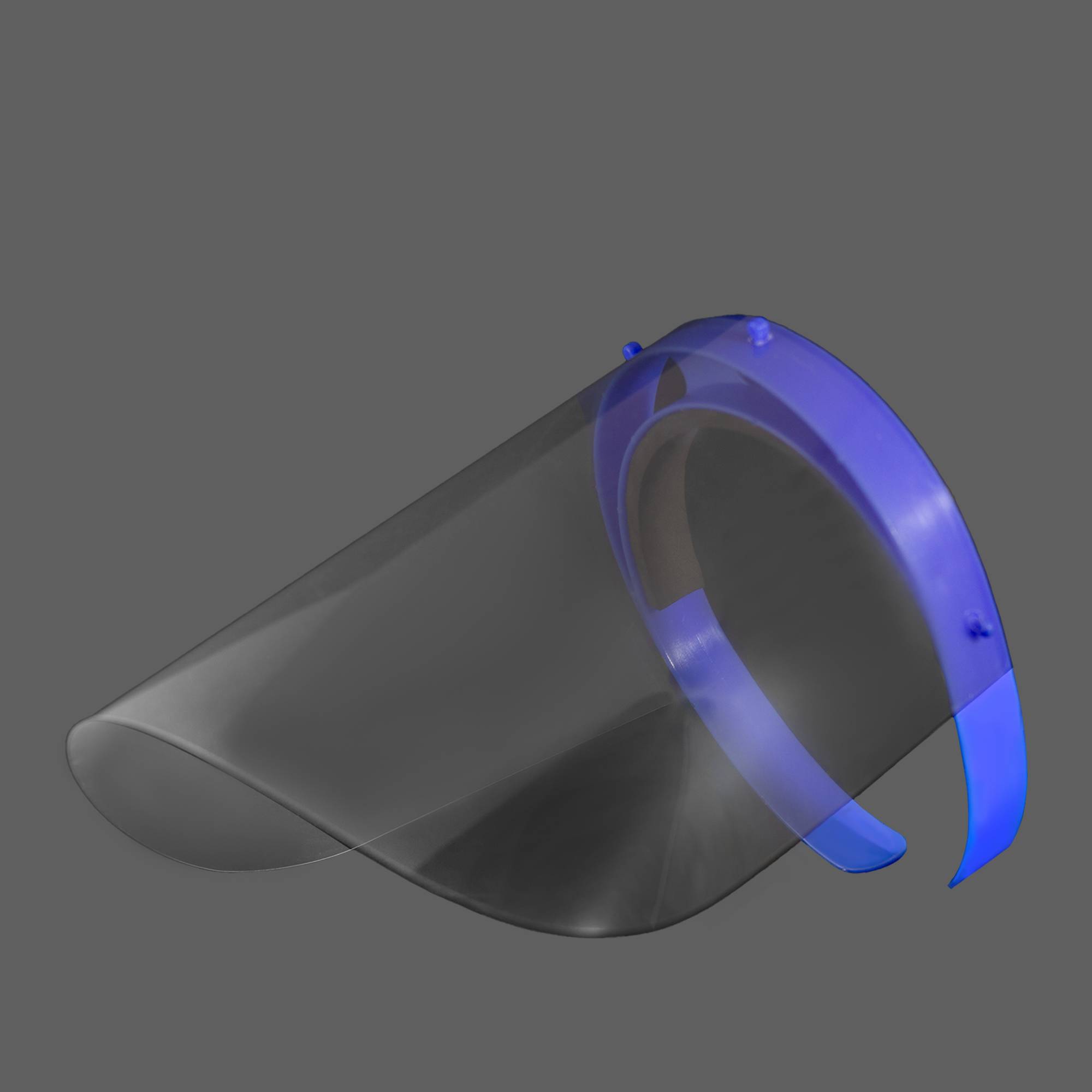
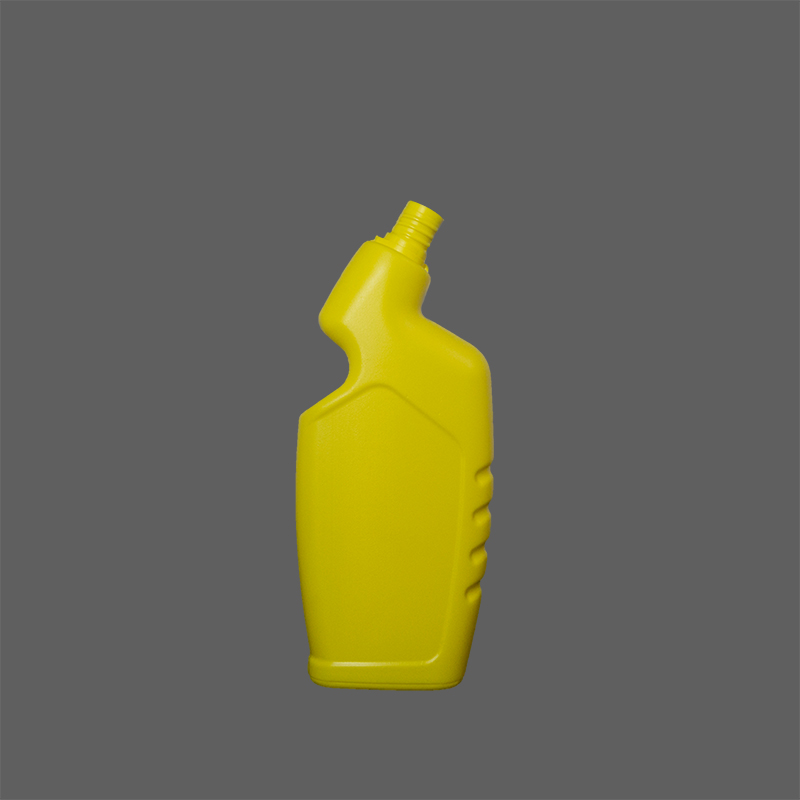
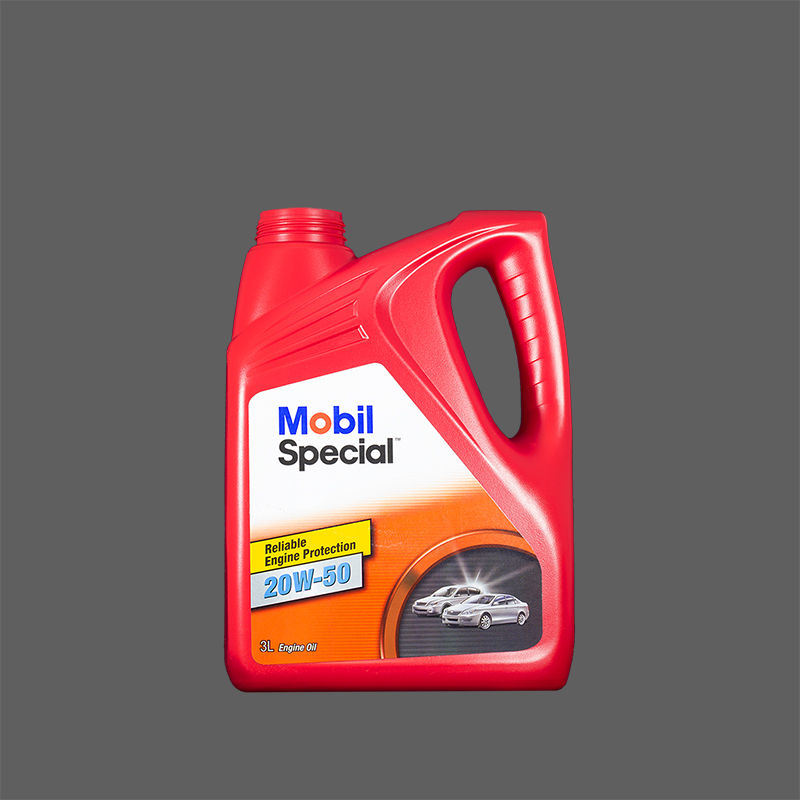
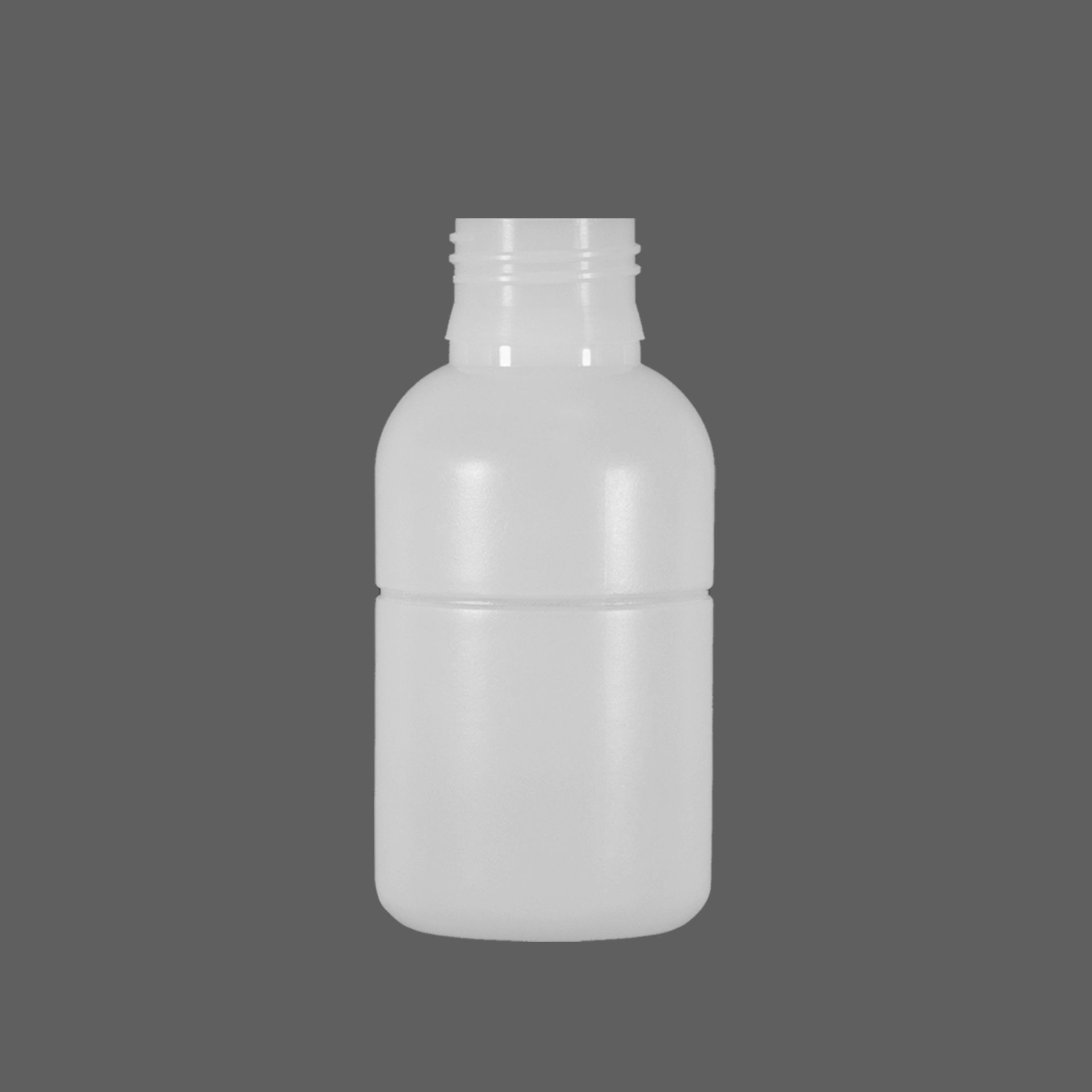
Rigid plastic packaging generally refers to plastic packs that retain a defined shape rather than behaving like flexible films, pouches or wraps.
Depending on the product and industry, this can include:
- bottles;
- jars;
- containers;
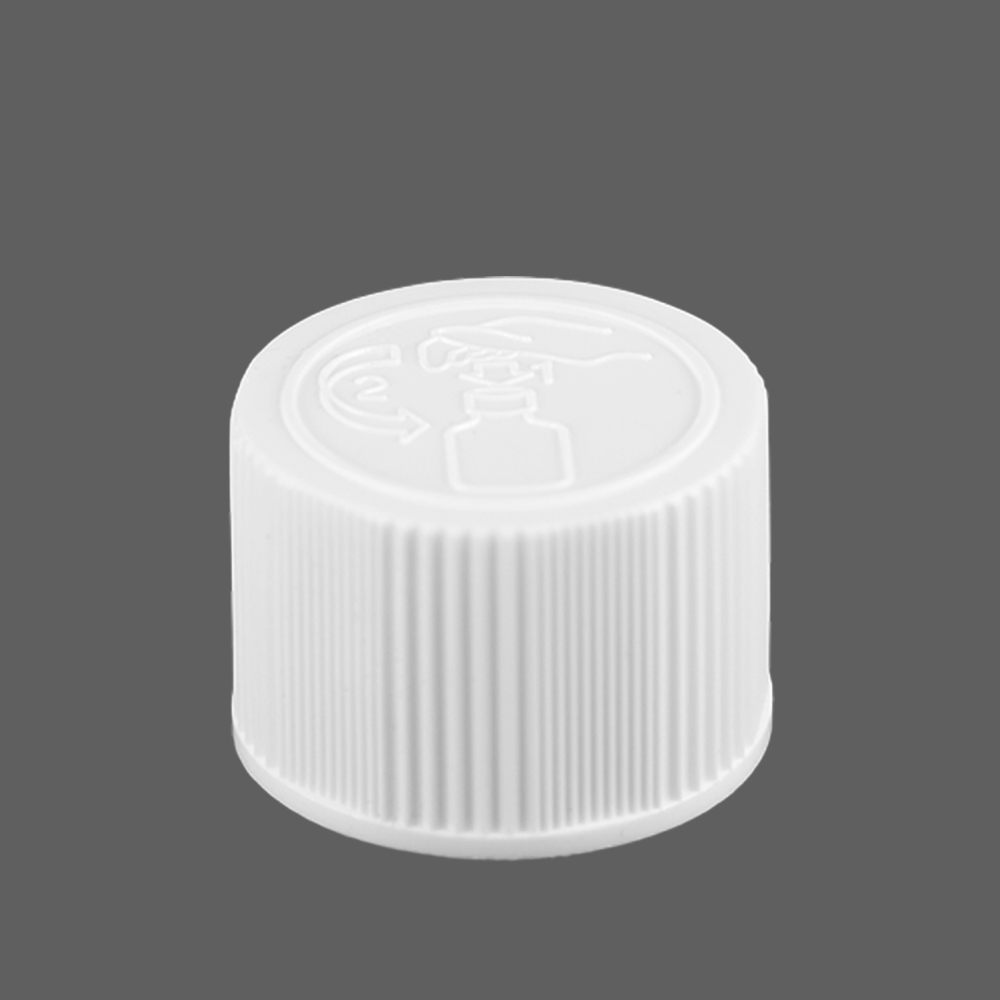
- caps and closures;
- dosing components;
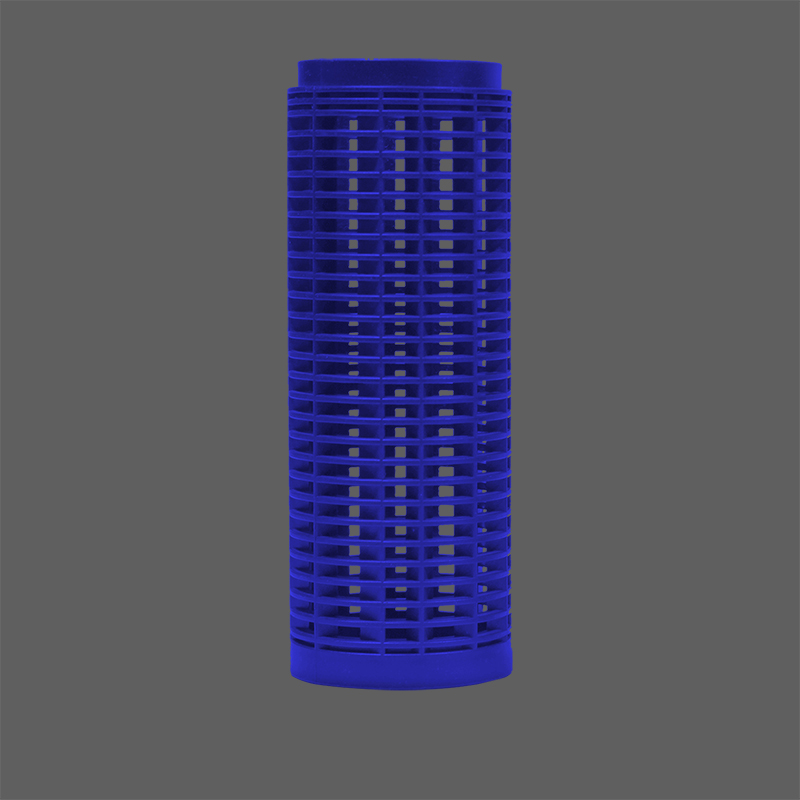
- moulded plastic packaging parts;
- custom rigid components.
The important point is that the package must be evaluated as a functional component, not simply as a shape.
Why Pakistani Buyers Search for Rigid Plastic Manufacturers
Companies searching for rigid plastic manufacturers in Pakistan may have very different requirements.
A pharmaceutical company may need a bottle, closure and dosing component to work together.
An FMCG company may prioritize production consistency, shelf presentation and repeated handling.
A lubricant company may need a robust container and secure closure system suited to transport and storage.
A cosmetics company may place greater emphasis on shape, surface quality and decoration.
The same manufacturing supplier therefore needs to understand the end-use application before recommending a route.
1. Start With the Product Brief, Not the Machine
A buyer should not have to select a manufacturing process before defining the package.
A useful packaging brief can include:
- what product will be packed;
- required nominal capacity;
- preferred bottle or container style;
- closure or dispensing requirements;
- expected production quantity;
- filling and packing considerations;
- branding or decoration requirements;
- target launch timeline.
Procurement insight: The best manufacturing discussion starts with what the package must do. The production process should follow from that requirement.
2. Check Whether the Manufacturer Supports Design Development
Many packaging problems begin before mass production.
A bottle may look attractive but be difficult to manufacture consistently.
A closure may appear suitable but not integrate correctly with the selected neck.
A decorative area may be too small or awkward for the intended printing process.
Mediplas currently lists design development as the first stage of its service structure. Its official services information states that designs are reviewed with manufacturability in mind and that 3D-printed mock-ups can be produced before mould investment.
For a custom project, that ability can help buyers evaluate a concept earlier.
3. Understand Whether You Need Standard Packaging or a Custom Component
Custom packaging is not automatically the best route.
If an existing bottle or container already satisfies:
- capacity;
- closure compatibility;
- product use;
- commercial volume;
- brand presentation;
using an established format may simplify the project.
Custom development becomes more relevant when the required functionality or brand identity cannot be achieved with an available component.
4. Mould Quality Directly Affects the Finished Plastic Product
A production mould controls the repeated geometry of a moulded component.
That makes tooling a major procurement consideration.
Before committing to a new mould, ask:
- Who designs the mould?
- Who manufactures it?
- How will the number of cavities be selected?
- How will samples be evaluated?
- How will future maintenance be handled?
Mediplas lists in-house mould fabrication as part of its service ecosystem, including prototype and multi-cavity mould configurations depending on project requirements.
5. Manufacturing Method Must Match the Component
Not every rigid plastic component should be made through the same process.
Mediplas’ current manufacturing facility lists machinery for:
- blow moulding;
- injection moulding;
- injection-blow moulding;
- vertical injection moulding;
- stretch blow moulding.
The appropriate process depends on the geometry, material, application and production requirement.
A procurement team does not necessarily need to become a plastics engineer, but it should work with a supplier capable of explaining why a particular production route is suitable.
6. Evaluate Material Based on Application
Material selection should not be based solely on which plastic is familiar or cheapest.
Packaging requirements can include:
- strength;
- clarity;
- flexibility;
- product compatibility;
- surface appearance;
- manufacturing method;
- closure performance.
HDPE, PET, PP and other plastics each have different characteristics.
The suitable option depends on the pack and product.
7. Bottle and Closure Should Be Treated as One Packaging System
A well-made bottle can still create problems if its closure does not work properly with the neck.
Buyers should review:
- thread compatibility;
- sealing surfaces;
- opening and closing behaviour;
- tamper evidence where applicable;
- repeated-use requirements;
- fit with production and filling processes.
This matters in pharmaceuticals, FMCG, cosmetics and industrial liquids.
8. Consider the Filling and Packing Line Before Finalising the Container
A package does not operate only on the shelf.
It must also move through production.
Relevant considerations can include:
- container stability;
- orientation;
- neck geometry;
- capping;
- label or print position;
- secondary packing.
Resolving these issues earlier is generally easier than changing tooling after full-scale production begins.
9. Decoration Should Be Planned Before Production Is Locked
Packaging decoration can include printing, engraving or other finishing processes.
Mediplas currently lists post-processing decoration capabilities including pad printing, high-speed silk-screen printing using UV-cured inks and laser engraving.
The chosen method should suit:
- component shape;
- material surface;
- artwork complexity;
- production quantity;
- durability requirement.
10. Ask How the Manufacturer Handles Scale-Up
The first sample is important.
The tenth thousand unit is also important.
Industrial buyers should discuss how a packaging solution will move from:
concept → prototype → tooling → sample approval → commercial production.
The goal is repeatability, not merely one attractive prototype.
11. Packaging Price Should Be Evaluated in Context
The cheapest unit price can become expensive when it causes:
- leakage;
- filling-line interruptions;
- high rejection rates;
- rework;
- poor visual consistency;
- customer complaints.
Procurement should therefore compare the complete package proposal, not just one line on a quotation.
12. Local Manufacturing Can Improve Communication
Working with a manufacturer in Pakistan can simplify:
- sample review;
- design discussions;
- repeat orders;
- technical changes;
- factory coordination;
- production planning.
Local sourcing does not automatically make a supplier better. It can, however, shorten the communication chain between buyer and manufacturer.
Industries That Use Rigid Plastic Packaging
| Industry | Common Packaging Priorities |
|---|---|
| Pharmaceutical | Container/closure functionality, dosing, handling, repeatability |
| FMCG | Scale, durability, shelf presentation, cost control |
| Cosmetics | Appearance, finish, closure experience, decoration |
| Lubricants | Container strength, sealing, transport handling |
| Industrial products | Function, repeatability, identification and handling |
Questions to Ask a Rigid Plastic Packaging Manufacturer
- Can you help review the design before tooling?
- Which manufacturing method suits this component?
- Can an existing packaging format satisfy the requirement?
- Will a new mould be required?
- Can you manufacture both the container and related closure components?
- What information is required before quotation?
- Can decoration be planned within the same production workflow?
- How should samples be approved?
- How will repeat production be controlled?
Why Mediplas Fits Complex Rigid Packaging Projects
Mediplas operates across four connected areas: design development, mould fabrication, manufacturing and post-processing.
That structure is useful when a packaging requirement involves more than simply ordering an existing bottle.
Its current manufacturing facility is located at Korangi Creek Industrial Park and the company states that its production capabilities cover multiple moulding processes for packaging and plastic components.
Businesses can review the complete Mediplas manufacturing and packaging services before discussing a project.
Frequently Asked Questions
What is rigid plastic packaging?
Rigid plastic packaging includes bottles, jars, containers, caps, closures and other plastic packs or components that maintain a defined shape.
Which industries use rigid plastic packaging in Pakistan?
Applications include pharmaceuticals, FMCG, cosmetics, lubricants, industrial products and other sectors requiring durable plastic containers or components.
Does every custom rigid plastic package require a new mould?
No. If an existing component meets the functional and commercial requirements, new tooling may not be necessary.
What should a buyer provide to a packaging manufacturer?
Useful information includes product application, capacity, expected quantities, closure requirements, reference samples, decoration needs and target timing.
Can Mediplas support custom packaging development?
Mediplas’ current services include design development, mould fabrication, manufacturing and post-processing. Project feasibility depends on the specific requirement.
Final Considerations
The right rigid plastic packaging manufacturer in Pakistan should help a buyer convert a packaging requirement into something that can be manufactured repeatedly and used reliably.
The strongest procurement decision considers design, tooling, production, closure compatibility, finishing and scale together.
Discuss Your Rigid Plastic Packaging Requirement With Mediplas
If your business is developing a bottle, container, closure or custom rigid plastic component, explore Mediplas’ design, mould fabrication, manufacturing and post-processing capabilities.
Prepare your reference sample, intended application, required capacity, expected volumes and finishing requirements, then contact Mediplas to begin a practical packaging discussion.